


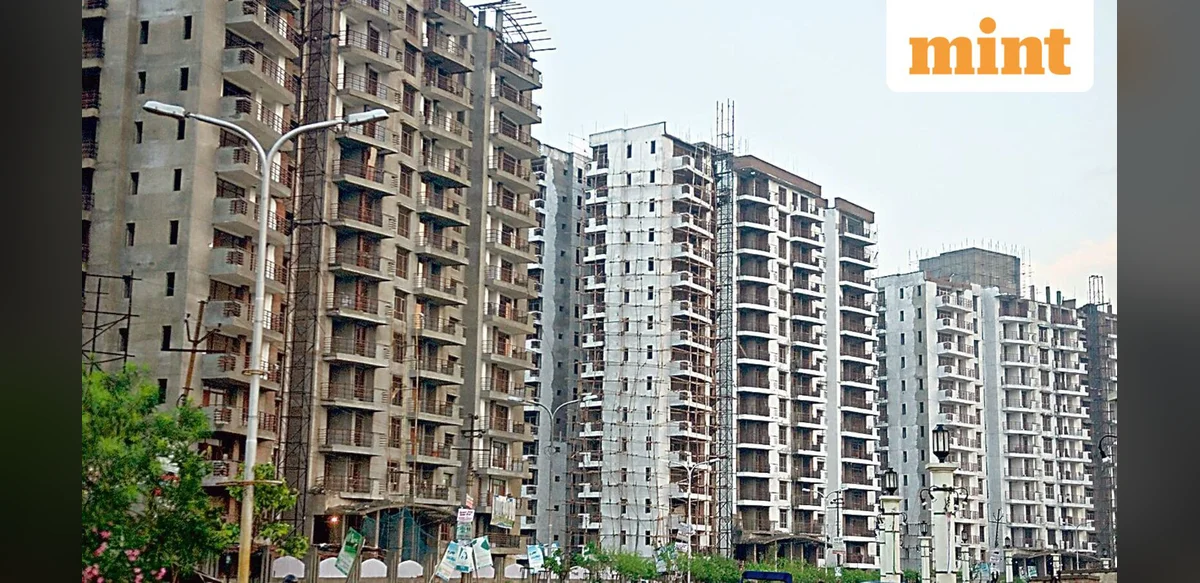
Amid short-term economic disruptions from high fuel and fertilizer costs, longer-term structural issues are emerging worldwide. A notable one is the broad decline in real estate values. Following the covid pandemic, authorities lowered rates and eased credit to cushion effects on employment and growth. Property values rose sharply everywhere. Yet in recent years, owners in New Zealand, China, and the UK have confronted difficulties. Officials often express concern over housing downturns since they may foreshadow wider financial problems, as occurred in the US during 2008.
Double impact Property values increased globally after monetary easing during the health crisis. Later rate hikes by central banks to unwind prior stimulus led markets to weaken and borrowing costs to rise. Prices in several nations now sit well under prior highs. Higher rates also raise monthly payments.
Meanwhile, values remain elevated relative to average incomes despite the drop. A UBS study from late 2025 noted that purchasing a 60-square-meter apartment exceeds the means of typical skilled workers in most major cities. In Hong Kong it takes 14 years of local earnings; in London the figure is 12. The Iran conflict makes near-term rate cuts improbable.
Chinese situation In China the downturn produced steep price drops plus failures among large developers including Evergrande. Analysts compare the current market to Japan’s 1990s experience of prolonged stagnation.
Unlike elsewhere the Chinese episode stemmed from deliberate measures. Authorities saw the long boom as a bubble. The adjustment proved difficult. Economists Kenneth Rogoff and Yuanchen Yang observed that housing forms 70 percent of household assets, so a multi-year fall affects wealth and spending. They noted parallels with Japan’s 1980s path involving boom-bust shifts, slower growth, aging demographics and external strains.
Indian trends Indian markets also show cooling. Knight Frank reported sales slipped 4 percent in Q1 2026 versus the prior year, with smaller segments driving the fall. Larger deals above one crore rupees rose instead. Unsold stock grew, now requiring six quarters to clear at present rates versus 5.9 a year earlier.
Affordability concerns The US avoided sharp drops seen elsewhere yet expansion slowed. Inflation-adjusted prices moderated from peaks but exceed March 2020 levels. Year-on-year nominal gains slowed markedly per the S&P Cotality Case-Shiller index.
High prices again highlight access issues. A National Association of Realtors study found households able to afford half of listings in 2019 can now manage only a quarter. Policy focuses on affordable housing, though large price falls would reduce owner wealth.
Home loan support Loan costs remain central to affordability.

