

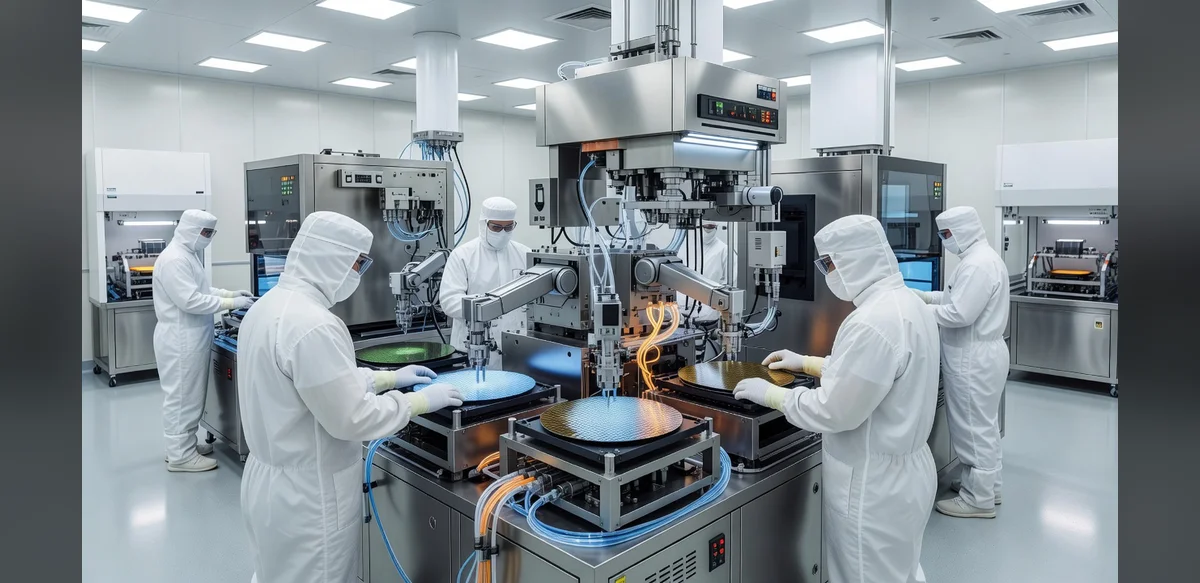
India has intensified efforts to build a domestic semiconductor industry through targeted policy measures and investment incentives. The government has introduced schemes aimed at attracting global manufacturers and fostering local production capabilities. These steps seek to reduce reliance on imports and position the country within global supply chains for critical electronic components.
Experts have noted that while the push comes at a time of growing international interest in diversifying chip production, India enters the field later than established players such as Taiwan, South Korea, and the United States. This timing raises questions about the ability to compete effectively in a market dominated by early movers with decades of experience and infrastructure.
Policy frameworks include financial support for fabrication plants and research facilities. Officials emphasize the strategic importance of semiconductors for sectors ranging from telecommunications to automotive manufacturing. Several memoranda of understanding have been signed with international firms to explore joint ventures and technology transfers.
Analysts point out that building a competitive ecosystem requires more than capital allocation. Skilled workforce development, reliable power supply, and advanced water management systems remain essential prerequisites. Regions selected for potential plants must address these foundational needs to avoid operational delays.
International comparisons highlight the scale of investment required. Countries that began semiconductor programs earlier benefited from sustained government backing and integration with existing electronics industries. India’s approach involves learning from these models while adapting to local conditions.
Potential risks include technology gaps and the challenge of attracting top-tier talent in a competitive global market. Some observers suggest that focusing initially on assembly and testing operations could serve as a stepping stone before progressing to full-scale fabrication.
Industry representatives have welcomed the policy direction but stress the need for consistent implementation and regulatory clarity. Long-term success depends on creating an environment that encourages repeated investment cycles and continuous innovation.
Supply chain resilience has gained prominence following recent global disruptions. Policymakers view domestic production as a buffer against external shocks, though achieving meaningful scale will take several years of coordinated effort.
Research institutions are being encouraged to expand programs in materials science and microelectronics. Partnerships between academia and industry aim to align educational outcomes with sector requirements.
Overall, the initiative reflects broader economic goals of technological self-reliance. Progress will be measured not only by the number of facilities established but also by their integration into worldwide value chains and contribution to export earnings.
Continued monitoring of global market trends remains important. Adjustments to strategy may be necessary as new technologies emerge and competitive dynamics shift. The coming decade will likely determine whether current efforts translate into a sustainable industrial base.


