


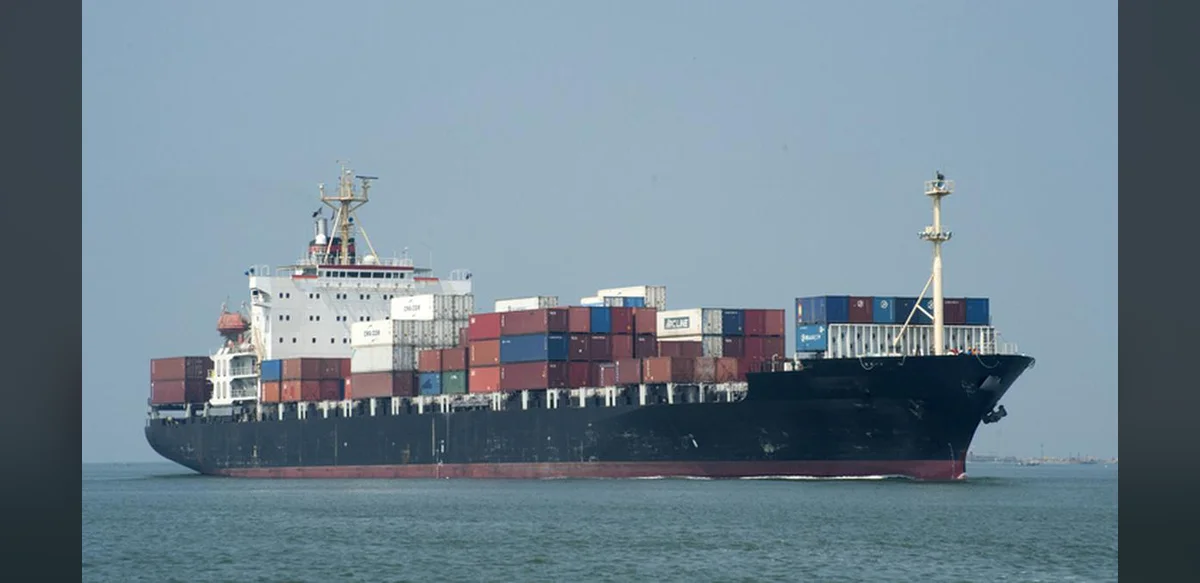
Iran normally imports nearly 4.5 million tonnes of basmati rice from India each year. Ships now struggle to transit the Strait of Hormuz, and vessel availability from Kandla or Mumbai remains limited, according to the head of the Indian Rice Exporters Federation. Booking a 20-foot container loaded with 26.5 tonnes of rice costs around $5,000, yet availability stays unpredictable.
This uncertainty brings high expenses. A customs broker association leader in Coimbatore described one shipment from Kochi to Iraq that rose from an initial $1,500 booking to $50,000 after empty containers were stranded by conflict in West Asia.
Coffee exporters encounter comparable issues. Most Indian shipments now sail around the Cape of Good Hope rather than the Red Sea and Suez Canal, adding 10 to 22 days and thousands of nautical miles. Container freight has increased from roughly $1,200 to $3,800, even as buyers demand original contracted rates.
Exporters across industries face container scarcity, fewer large vessels, and elevated shipping charges. Major container ships have reduced calls at southern ports such as Thoothukudi and Kochi since the pandemic, favoring Nhava Sheva instead. Freight from Nhava Sheva costs about half as much and takes less time, shifting over 40 percent of southern cargo northward.
Infrastructure limits worsen the situation. Vallarpadam needs more years to reach full operation. Thoothukudi requires completion of its outer harbour project before handling bigger vessels. Vizhinjam focuses mainly on foreign trade due to connectivity constraints. Rates from Kochi to Jebel Ali have jumped from $1,000-1,500 to nearly $7,000, rising $500 in recent days. Chinese exporters obtain containers more readily, while Indian shippers pay premiums to recover empties from hubs like Dubai and Sohar.
The challenges are structural. India has faced five major shipping crises this decade, including pandemic effects, canal blockages, and regional conflicts. Lines divert vessels around the Cape of Good Hope when routes turn unsafe, extending voyages by 10 to 12 days and favoring high-volume China-Europe and China-U.S. services. Routes to Africa, Iran, and Eastern Europe receive lower priority. Even small capacity cuts clog Indian ports, slow container returns, and lift rates. Perishable goods such as prawns suffer first, followed by agricultural and chemical exports. Foreign operators handle 90-95 percent of Indian cargo, leaving the country exposed to global redeployments. Domestic container output stays low at about 24,000 TEUs in the latest fiscal year versus millions produced in China.
The government has launched two measures: a ₹10,000-crore scheme to boost local container manufacturing tenfold and plans for a national container shipping line. An initial Indian-made container was delivered in July for international use.

