


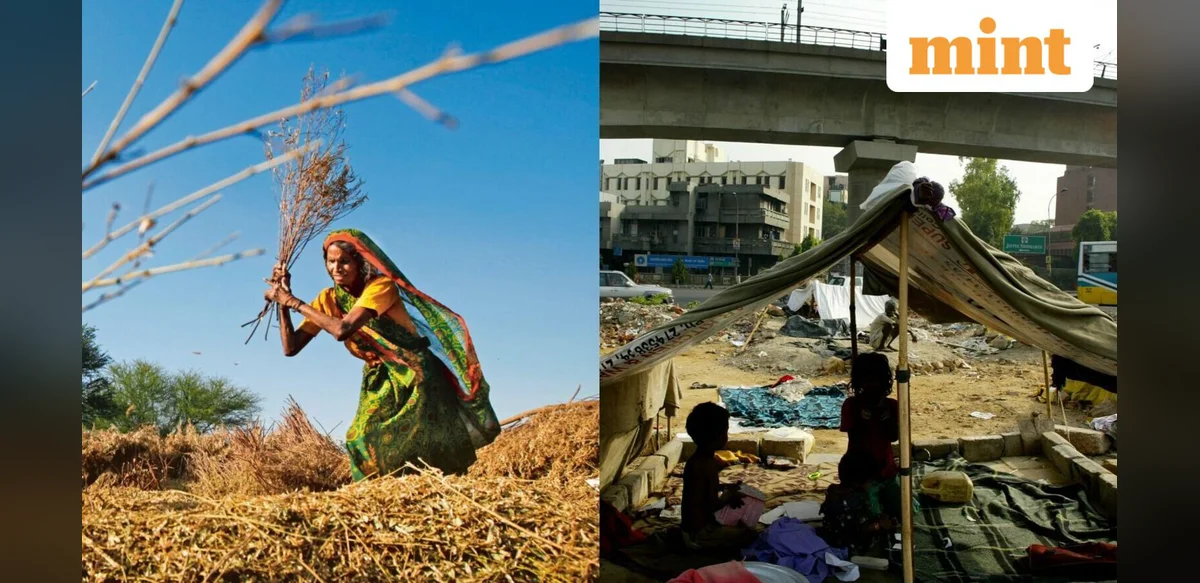
A recent World Bank assessment has documented a major decline in extreme poverty across India from 2011 through 2023. The report estimates that 496 million people moved above the extreme poverty threshold during those years. This shift represents one of the largest recorded reductions in global poverty metrics over a comparable period.
Extreme poverty rates in the country dropped sharply from 27.1 percent to 2.6 percent. Analysts attribute the change primarily to steady increases in household consumption, broader job opportunities, and greater participation by women in the workforce. Additional support came from wider distribution of government assistance programs.
Consumption patterns showed consistent upward movement as more households gained access to basic goods and services. Higher spending levels reflect improved income stability for many families previously living near subsistence thresholds. These trends contributed directly to the overall poverty reduction figures cited in the analysis.
Employment rates rose notably, with particular gains among female workers. Expanded job access allowed more individuals to secure regular earnings and build financial resilience. Such labor market improvements helped lift large segments of the population out of the most severe forms of deprivation.
Social transfer programs played a supporting role by providing direct resources to vulnerable groups. These initiatives supplemented household incomes and helped stabilize consumption during periods of economic fluctuation. Their expansion aligned with the observed poverty declines.
The combined effects of these factors produced measurable progress across both rural and urban areas. Data indicate that improvements occurred steadily rather than through sudden shifts. This gradual pattern suggests sustained policy and economic influences at work.
World Bank researchers examined multiple indicators to arrive at these conclusions. They tracked consumption surveys, employment statistics, and program participation records. The methodology ensured that the reported numbers captured broad population movements rather than isolated cases.
Observers note that continued monitoring will be necessary to assess whether these gains hold over time. External economic conditions and domestic policy adjustments could influence future trajectories. The current findings nevertheless mark a clear period of advancement in living standards.
Overall, the report underscores how interconnected elements such as spending growth, job creation, and targeted support can drive large-scale poverty reduction. India’s experience during the studied interval offers a case study in how these dynamics interact at a national scale.

