


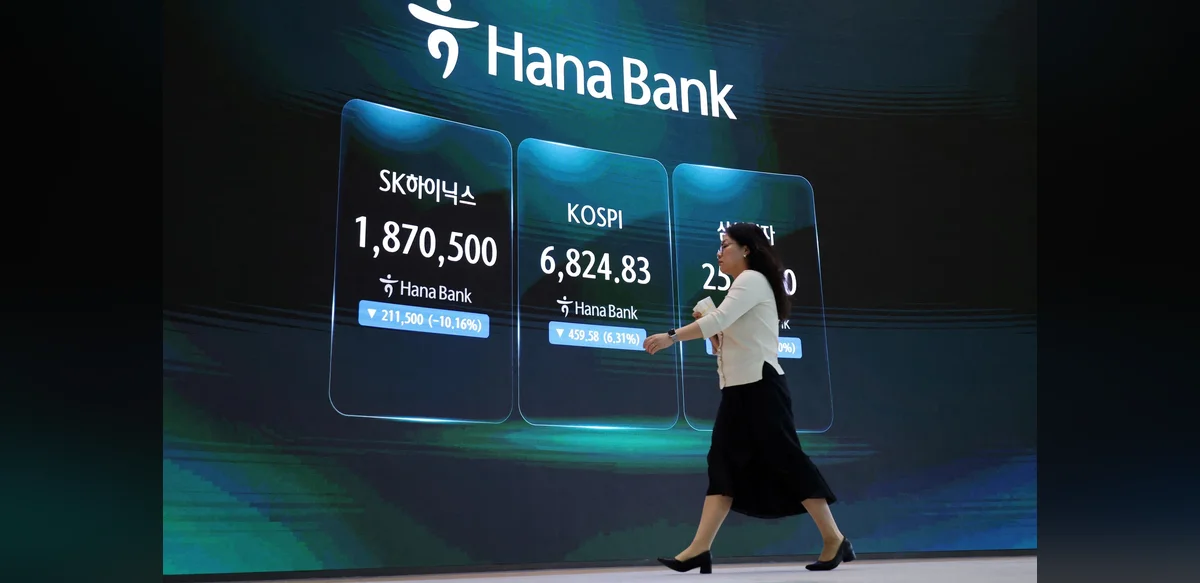
Leading memory chip producers are preparing to distribute record levels of capital back to shareholders as demand for artificial intelligence related components continues to rise. The announcements come at a time when the technology sector is experiencing significant growth driven by expanding applications in data centers and computing infrastructure.
One prominent manufacturer is expected to outline a comprehensive capital return program exceeding 72 billion US dollars. This initiative reflects the company’s strong financial position and its strategy to reward investors while maintaining investments in future production capacity. Such moves are common among firms benefiting from sustained orders in high performance memory products.
A second major player in the sector has disclosed plans to repurchase shares valued at approximately 29 billion US dollars. This buyback program is designed to enhance shareholder value by reducing the number of outstanding shares and supporting the stock price over time. The decision aligns with broader trends in the industry where companies leverage robust earnings to execute shareholder friendly policies.
The semiconductor industry has seen increased activity in recent periods due to the proliferation of AI technologies. Memory chips essential for training and running large scale models have become particularly sought after. This surge has translated into improved revenues and profitability for key suppliers, enabling them to consider larger distributions to owners.
Analysts note that these capital return plans could signal confidence in the durability of current demand patterns. While market conditions can fluctuate, the commitments indicate that the firms anticipate continued strength in their core businesses. Investors often view such announcements as positive indicators of corporate health and prudent financial management.
The broader economic context includes ongoing advancements in computing hardware and software that rely heavily on specialized memory solutions. As organizations across various sectors integrate AI capabilities, the need for efficient and high capacity storage components remains elevated. This environment has positioned certain manufacturers favorably in global supply chains.
Shareholder returns of this magnitude are notable within the technology hardware space. They demonstrate how cyclical industries can generate substantial cash flows during periods of high utilization. Companies typically balance these distributions with capital expenditures required to expand or upgrade fabrication facilities.
Market observers will likely monitor the execution of these programs closely. The timing and scale provide insights into management expectations regarding future earnings trajectories. Additionally, such actions can influence perceptions of valuation and attractiveness for institutional and retail investors alike.
In summary, the planned initiatives by these two firms underscore the intersection of technological innovation and financial strategy. As artificial intelligence continues to evolve, the semiconductor supply chain plays a critical role in supporting that progress, with resulting benefits flowing to equity holders through structured return mechanisms.

