

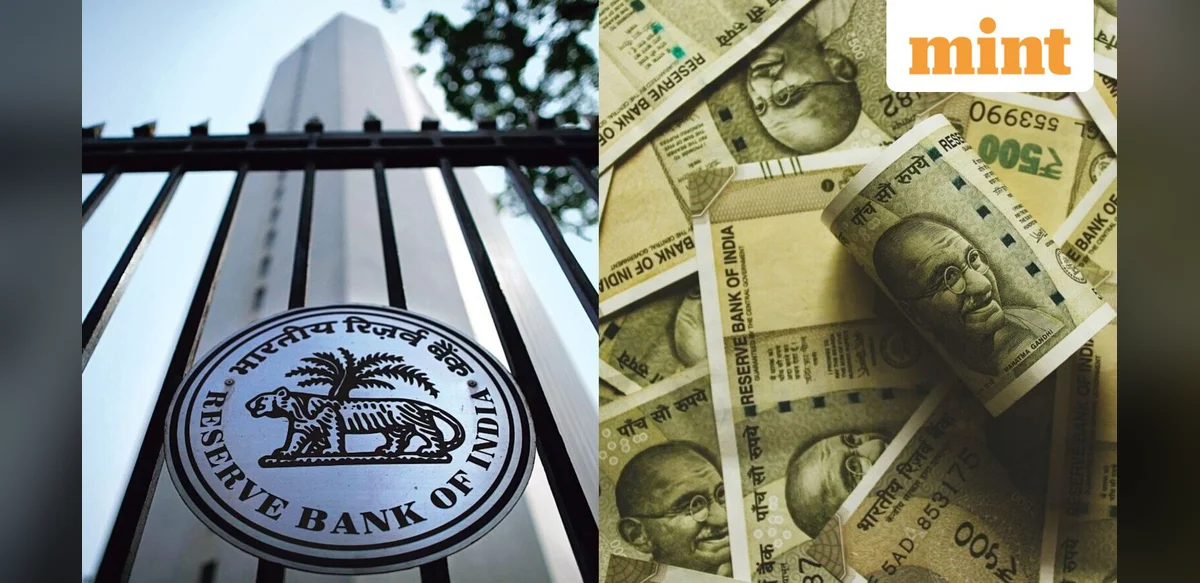
The Reserve Bank of India has withdrawn close to 20 billion dollars worth of surplus rupee liquidity from the financial system. This action was carried out primarily through foreign exchange operations combined with sales of government bonds and the use of reverse repurchase agreements. These steps were taken alongside routine tax outflows that also drew funds from the banking sector.
As a result the overall liquidity surplus held by banks has decreased noticeably in recent periods. The reduction reflects a combination of deliberate policy measures and seasonal factors tied to government revenue collections. Market participants have observed that such adjustments help maintain balance in the money markets without abrupt shifts.
Foreign exchange swaps have played an increasingly prominent role in these liquidity management efforts. Through these instruments the central bank can temporarily absorb or inject rupees while simultaneously handling dollar positions. This approach provides flexibility compared with traditional tools alone.
Bond sales serve as another channel for draining excess funds. When the central bank sells securities it receives rupees in return which are then removed from circulation. Reverse repos function similarly by encouraging banks to park surplus cash with the central bank overnight or for longer tenors.
The combined impact of these operations has tightened the available liquidity buffer within the banking system. Analysts note that the scale of the withdrawal approximately 20 billion dollars represents a significant portion of the previous surplus. This level of adjustment can influence short term interest rates and the broader availability of credit.
Tax outflows add a further layer of pressure on liquidity. Periodic payments to the government reduce deposits held by banks and thereby shrink the overall pool of funds available for lending or investment. When these natural drains coincide with active central bank measures the cumulative effect becomes more pronounced.
The emergence of foreign exchange swaps as a preferred instrument highlights evolving practices in liquidity regulation. These swaps allow the central bank to address both rupee and dollar liquidity needs in a coordinated manner. They also help stabilize exchange rate pressures without direct intervention in spot markets.
Overall the recent actions demonstrate a multi pronged strategy to manage excess liquidity. By blending foreign exchange operations bond transactions and reverse repos the central bank aims to keep the system balanced. Continued monitoring of these flows will be important for understanding future movements in rates and currency values.
The process underscores the interconnected nature of monetary tools and fiscal flows. Liquidity conditions can shift quickly when several mechanisms operate at once. Market observers will likely track upcoming data releases to assess whether further adjustments are required.
In summary the withdrawal of nearly 20 billion dollars through the described channels has materially reduced the banking system’s surplus. This development occurs against a backdrop of ongoing tax related outflows and highlights the growing importance of foreign exchange swaps in daily operations. The measures reflect standard practices aimed at maintaining orderly conditions in the money markets.


