

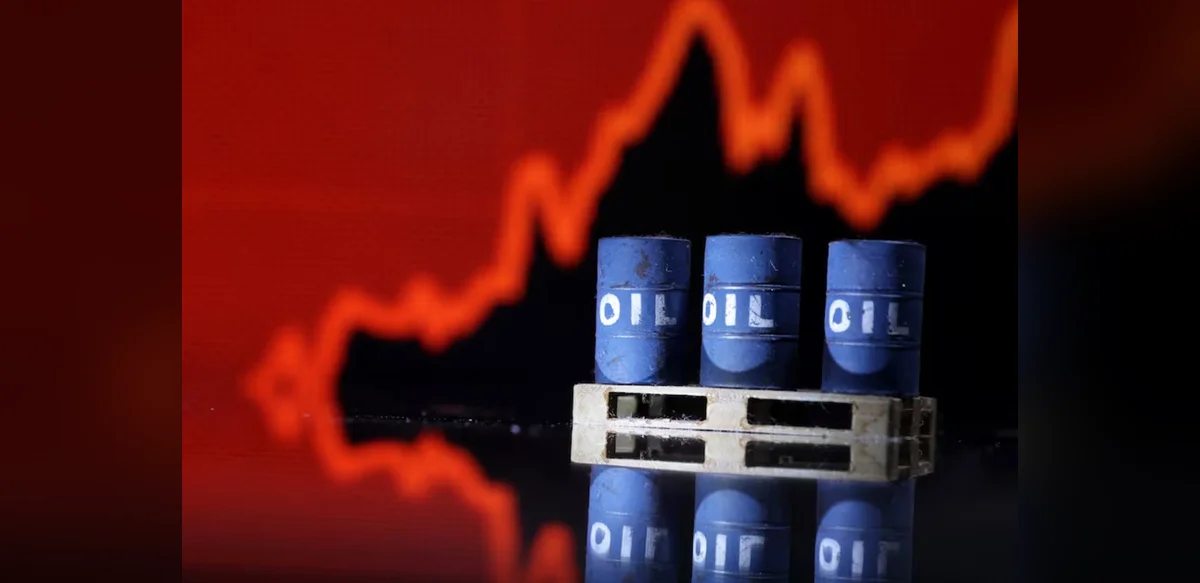
Retail fuel prices have increased markedly throughout the euro area during 2026. The change follows the onset of conflict in the Middle East and has contributed to elevated energy inflation. Specialists at the European Central Bank are reviewing the transmission of crude oil expenses into retail pump costs paid by consumers.
Higher energy costs affect household budgets across member states. Transport expenses rise for both individuals and commercial operators, influencing overall spending patterns. Analysts note that such developments can feed into broader price pressures within the currency union.
The European Central Bank maintains ongoing monitoring of energy markets. Its experts assess how global crude oil movements translate into local fuel pricing. This work supports policy decisions aimed at maintaining price stability.
Consumers in several euro area countries report noticeable differences at filling stations compared with prior periods. The adjustments occur amid uncertainty linked to the Middle East situation. Supply chain considerations and refining margins also play roles in final retail levels.
Energy inflation forms a key component of overall consumer price measures. Recent data indicate upward movement in this category, prompting detailed study by central bank researchers. Their analysis seeks to clarify direct and indirect effects on the economy.
Businesses reliant on road transport face increased operating costs. Logistics companies and retailers may adjust pricing strategies in response. These shifts can gradually influence goods and services across multiple sectors.
The euro area economy remains sensitive to external energy shocks. Policymakers emphasize the importance of diversified supply sources and efficiency measures. Such approaches help mitigate volatility arising from geopolitical events.
Public discussion has focused on the speed of price pass-through from wholesale markets to retail outlets. Variations exist among countries due to taxation structures and competitive conditions. The European Central Bank incorporates these factors into its assessments.
Longer-term implications include potential effects on growth and employment if elevated costs persist. Central bank communications stress data-driven evaluation rather than immediate conclusions. Continued observation of oil market trends supports informed responses.
Households are encouraged to consider energy-saving practices where feasible. While individual actions vary, collective reductions in consumption can ease demand pressures over time. Official guidance remains centered on macroeconomic stability objectives.
The situation underscores interconnections between global events and regional economies. Euro area institutions continue to track developments closely. Their analyses contribute to understanding mechanisms that link crude prices with everyday consumer expenses.

