


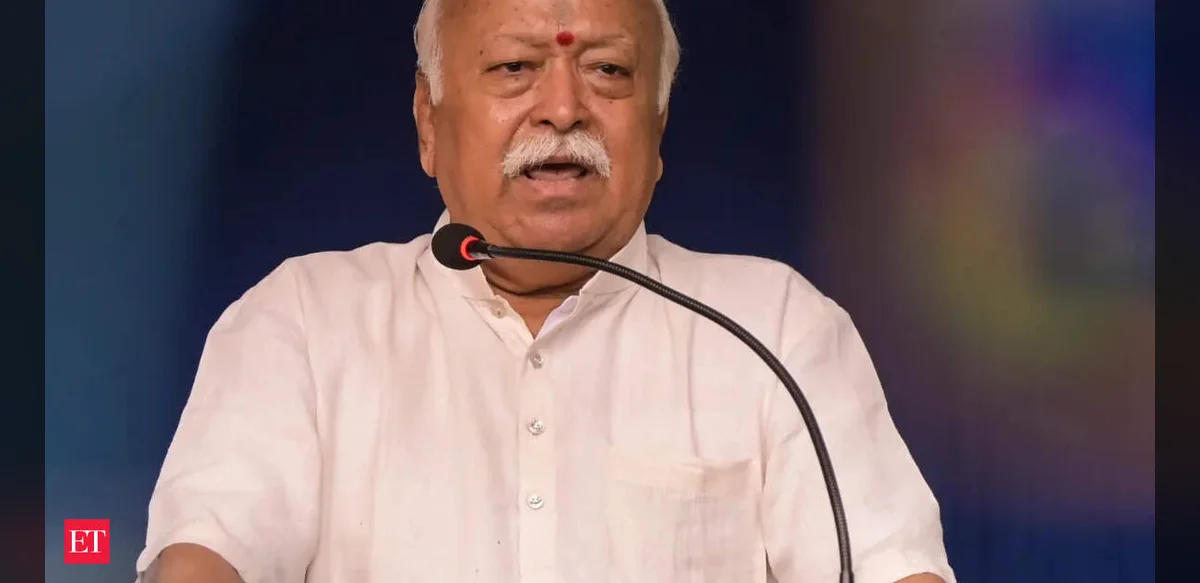
The head of the Rashtriya Swayamsevak Sangh recently emphasized the importance of India’s young population in shaping the nation’s progress. He described this group as a valuable resource that could drive development if properly guided. According to his remarks, the country should establish its own measures for evaluating advancement rather than relying solely on external models.
In his address, the leader urged younger individuals to think beyond immediate personal gains and consider the well-being of those who will come after them. This approach, he suggested, would help ensure sustainable benefits for society as a whole. He pointed out that focusing only on short-term interests might lead to challenges later on.
Entrepreneurship was another area highlighted during the speech. The speaker encouraged the development of new business ideas and innovative thinking tailored to local conditions. Such efforts, combined with a distinctive perspective on problem-solving, could contribute to broader economic and social improvements across regions.
The comments come at a time when discussions about population dynamics and their role in national planning are ongoing. Observers note that balancing opportunities with responsibilities remains a central theme in these conversations. The leader’s statements reflect a call for thoughtful preparation to maximize positive outcomes while minimizing potential drawbacks.
India’s demographic profile has long been a topic of interest among policymakers and analysts. With a significant portion of the population under a certain age threshold, the focus often turns to education, skill development, and employment creation. The recent remarks add to this dialogue by stressing the need for self-defined benchmarks of success.
Community leaders and educators may find these observations relevant as they design programs aimed at younger audiences. By promoting forward-looking attitudes and entrepreneurial spirit, initiatives could better align with long-term national objectives. The emphasis on considering future generations underscores a collective responsibility that extends beyond individual achievements.
Overall, the address serves as a reminder of the dual nature of demographic trends. When managed effectively, they offer substantial advantages; otherwise, they could present difficulties. The speaker’s message advocates for proactive measures rooted in local values and creative approaches to foster inclusive growth.
Further reflections on these ideas could influence upcoming policy debates and youth-oriented campaigns. As India continues to navigate its developmental path, such perspectives contribute to a wider understanding of how to harness available human resources for the benefit of all citizens.

