

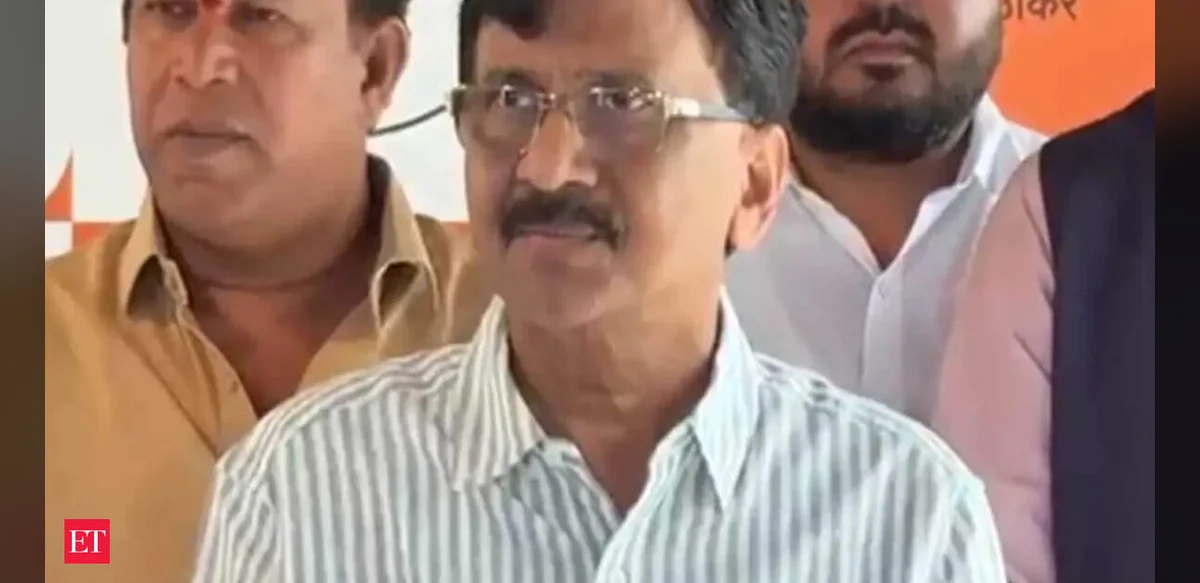
Shiv Sena (Uddhav Balasaheb Thackeray) member of parliament Sanjay Raut responded sharply to comments made by Union Minister Dharmendra Pradhan concerning demonstrations by younger citizens over irregularities in a national entrance examination. The exchange centered on claims that participants in the protests had been influenced by external forces. Raut rejected those assertions and instead pointed to the administration of the education portfolio as the factor that stirred the reaction among the group.
The remarks came amid ongoing discussions about the conduct of the NEET undergraduate test and reported issues with question paper security. Student groups had taken to the streets in several locations to voice dissatisfaction with the process. Pradhan had suggested that the demonstrators were being directed by others rather than acting on their own concerns. Raut countered that the manner in which the ministry had addressed the situation itself prompted the response from the younger generation.
Observers noted that the back and forth highlighted differing views on the causes behind the public displays of discontent. One side emphasized external influence while the other focused on institutional shortcomings. The episode reflects broader debates about accountability in the handling of large scale examinations that affect thousands of aspirants each year.
Raut stated that the current cohort of young people had been directly affected by decisions at the ministerial level. He maintained that the protests stemmed from frustration with the way the matter was managed rather than from any outside prompting. The statement was issued on a Sunday and quickly drew attention in political circles.
The NEET examination serves as a key gateway for admission to medical courses across the country. Any disruption or reported lapse in its administration tends to generate significant public interest. In this instance the reported leaks led to calls for greater transparency and review of procedures. Authorities have indicated that investigations are underway to determine the extent of the problem and to identify those responsible.
Political reactions have varied with parties aligning along expected lines. Supporters of the government have defended the ministry stance while opposition figures have sought to highlight perceived lapses. The exchange between Raut and Pradhan fits into this pattern of partisan commentary on education policy matters.
Analysts suggest that the involvement of Gen Z in such protests signals a growing willingness among younger citizens to engage with issues that directly affect their future prospects. The episode may prompt further discussion on examination reforms and oversight mechanisms. Both sides continue to present their positions through media statements and public addresses.
The situation remains fluid as additional details about the investigation emerge. Students and their families await clarity on next steps including possible re examination or other remedial measures. Political leaders on both sides are expected to monitor developments closely and adjust their messaging accordingly.
In summary the response from the Shiv Sena parliamentarian underscores a narrative that places responsibility on ministerial handling rather than on external actors. The debate illustrates ongoing tensions around educational governance and youth participation in public discourse.


