


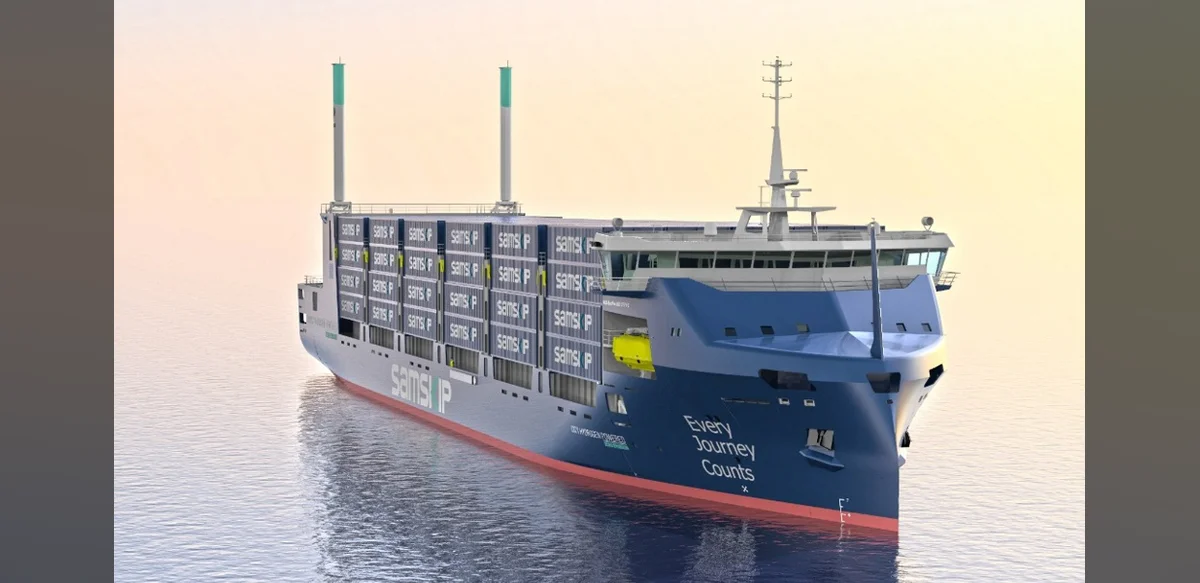
A major transaction in the European maritime sector has been announced involving a Spanish shipping company and a Netherlands-based multimodal transport provider. The agreement will unite two significant players focused on shortsea operations across the continent.
The deal encompasses a fleet of 32 vessels operating along 18 different routes. This combination is expected to strengthen the overall container shipping capabilities of the acquiring firm by integrating established networks from both organizations.
Industry observers note that such consolidations can lead to improved service efficiency and broader geographic coverage in regional sea transport. The transaction reflects ongoing trends toward larger integrated operators in the shortsea segment.
The buyer has positioned the move as a strategic step to expand its presence in key European corridors. By bringing together complementary route structures and vessel assets, the resulting entity aims to offer more comprehensive solutions for cargo movement between ports.
Details regarding the financial terms of the agreement have not been disclosed publicly at this stage. Completion of the transaction remains subject to standard regulatory approvals and customary closing conditions.
Both companies maintain substantial operations in containerized freight, with established schedules serving multiple countries. The integration process is anticipated to occur gradually following finalization to minimize disruption to existing customers and schedules.
Market analysts suggest the acquisition could influence competitive dynamics among shortsea providers, particularly in routes connecting northern and southern European ports. Enhanced scale may allow for optimized vessel utilization and potentially more competitive offerings.
The shipping industry has seen several similar moves in recent years as operators seek to achieve greater operational resilience and network density. This latest development continues that pattern within the European context.
Stakeholders in the logistics chain, including freight forwarders and port authorities, will likely monitor the progress of the integration closely. Any changes to sailing frequencies or port calls could affect planning for cargo volumes moving through affected terminals.
Overall, the agreement represents a notable development for regional maritime transport, bringing together established fleets and route portfolios under single ownership. Further updates are expected as the process advances toward completion.

