


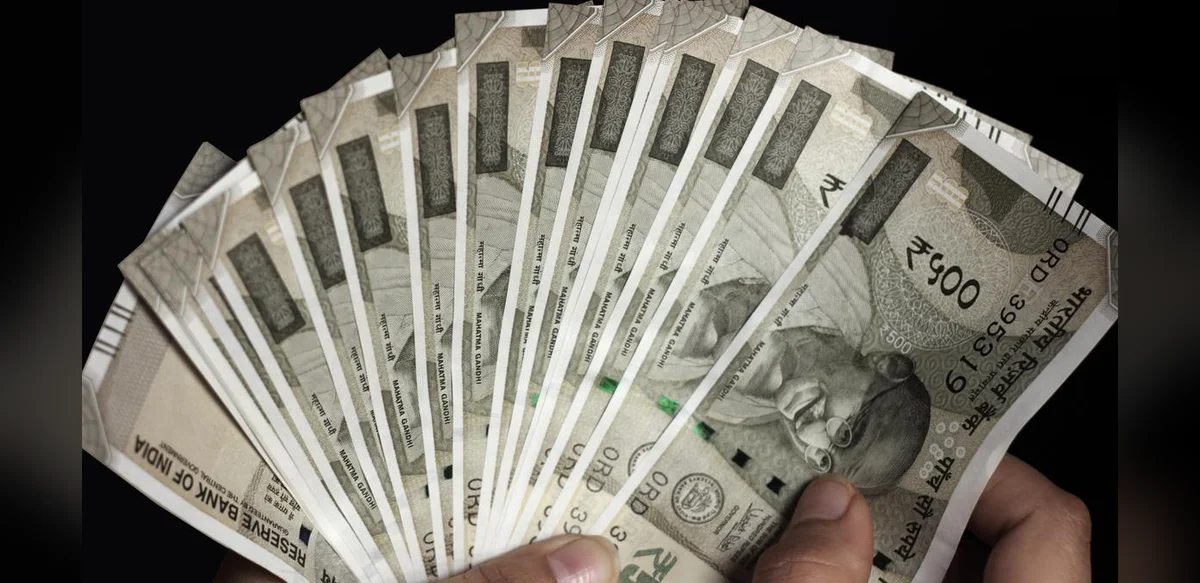
This Deepavali marks a decade since the sudden withdrawal of high-value banknotes that represented the bulk of currency in circulation. The policy aimed to address issues such as unaccounted wealth and to encourage greater use of electronic payments. Ten years on, available indicators suggest that several intended outcomes have not materialised as expected.
Currency in active use has returned to levels comparable to the period before the withdrawal. Households and businesses continue to rely on physical notes for a wide range of transactions, particularly in smaller towns and rural areas where digital infrastructure remains limited. Official figures indicate that the volume of notes in circulation has grown steadily, reflecting both economic expansion and persistent preference for cash.
Reports also point to an increase in the detection of counterfeit notes. Authorities have noted that forged currency has appeared in greater quantities over the past decade, raising questions about the effectiveness of security features introduced after the policy change. Law enforcement agencies continue to investigate networks involved in producing and distributing these fakes.
The move was presented as a step toward formalising the economy and reducing opportunities for tax evasion. While some sectors have seen greater adoption of digital wallets and bank transfers, cash remains dominant in daily commerce. Small vendors, agricultural markets and informal service providers often operate primarily with notes, citing convenience and the absence of transaction fees.
Economic analysts observe that the policy triggered short-term disruptions in supply chains and consumer spending. Recovery took several quarters, with certain industries experiencing prolonged effects. Over time, the economy adjusted, yet the structural preference for cash has not shifted significantly.
Government statements at the time highlighted goals related to transparency and accountability in financial dealings. Subsequent data releases from central banking institutions show that the share of high-value notes has actually risen compared with earlier periods. This development suggests that the composition of currency has not aligned with the original expectations.
Public awareness campaigns promoting digital payments have continued, supported by improvements in mobile connectivity and banking applications. Nevertheless, surveys indicate that many citizens maintain cash reserves for emergencies and for transactions where acceptance of electronic methods is uncertain.
The anniversary provides an opportunity to review the broader outcomes of the policy. While some reduction in the circulation of older series notes occurred immediately after the announcement, new series notes have filled the gap. The overall stock of currency has expanded in line with nominal economic growth.
International comparisons reveal that many economies maintain substantial cash usage even as digital options proliferate. Factors such as trust in banking systems, literacy levels and the cost of point-of-sale devices influence the pace of transition. In the Indian context, these elements continue to shape payment behaviour.
Regulatory bodies have introduced measures to strengthen note authentication and to monitor large cash movements. Banks have upgraded sorting and verification equipment to identify fakes more efficiently. Despite these efforts, the reported incidence of counterfeit notes has followed an upward trend.
The policy also intersected with other reforms in taxation and financial inclusion. Linkages between bank accounts and identification systems have facilitated targeted transfers, yet cash continues to serve as a primary medium for many citizens. Seasonal festivals such as Deepavali typically see heightened cash demand, underscoring its enduring role.
Looking ahead, policymakers face the task of balancing the benefits of digital systems with the practical realities of cash usage. Continued investment in secure printing technology and public education may influence future trends. The experience of the past decade offers lessons on the limits of abrupt changes to currency composition.
Data from various sources, including periodic surveys by research organisations, consistently show that cash remains integral to household budgets. While electronic payments have grown in absolute terms, their share relative to total transactions has not displaced notes to the extent anticipated. This pattern holds across income groups and geographic regions.
The anniversary reflection therefore centres on the resilience of cash as a payment instrument. Efforts to modernise the payments landscape continue, yet the fundamental objectives tied to the 2016 withdrawal appear only partially realised based on current indicators.

