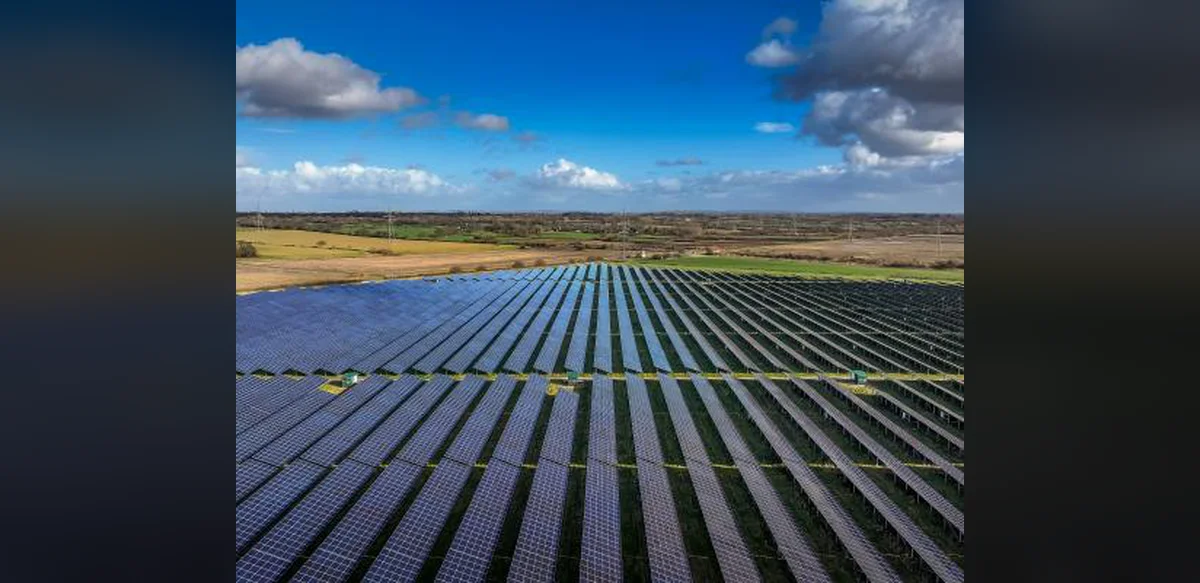
This week, UK Energy Secretary Ed Miliband plans to strengthen the Labour government’s dedication to achieving net zero emissions, despite escalating tensions in the Middle East. He argues that with rising fossil fuel costs, the time has arrived for secure clean energy systems. In a scheduled address on Tuesday, Miliband will unveil new initiatives to address an anticipated energy shortfall linked to the ongoing conflict involving Donald Trump and Iran. These steps include accelerating the warm homes initiative to boost adoption of solar installations and electric cars, increasing solar deployments on government-owned land, and separating gas and electricity pricing to lower household expenses. Miliband is anticipated to state that following the second major energy disruption in under five years, the nation must recognize the end of reliable fossil fuel supplies and embrace clean energy alternatives. Oil values dropped last Friday due to reports of the Strait of Hormuz reopening, but these expectations faded over the weekend as Iran maintained tight oversight. Prices were set to increase by around 4% on Monday, offsetting prior declines. Since the Iran conflict drove oil above $100 per barrel in March, Miliband has faced calls from opposition groups like the Conservatives and Reform to expand North Sea oil and gas extraction. In his speech, he intends to counter critics promoting outdated approaches. However, he will avoid deciding on permits for the Jackdaw and Rosebank sites, where approval processes began under the previous administration. Miliband will emphasize that the North Sea remains a vital asset for years ahead, rejecting abrupt halts to production but also dismissing exhaustive drilling as ineffective for reducing costs or ensuring supply stability. Officials note that evaluations for these sites continue, while exploring options to connect new extractions to established operations. Last week in Washington, Chancellor Rachel Reeves mentioned efforts to maximize North Sea resources via such connections, calling it the fastest method to increase output. Still, Miliband will highlight the overall push toward phasing out fossil fuels. At an event hosted by the Good Growth Foundation, he will describe maintaining current practices as reckless given the crisis, especially with viable clean options from domestic wind, solar, and nuclear sources that avoid international disruptions and offer consistent pricing. He will note a surge in UK interest for green technologies since the Middle East unrest began, citing a 50% increase in solar and heat pump purchases from Octopus, alongside record electric vehicle registrations in March. Miliband will clarify that even prior to the crisis, operating electric vehicles and heat pumps was more economical than traditional alternatives with appropriate plans. Details on decoupling electricity from gas prices remain unspecified, but possibilities include renegotiating deals for older renewable projects. Currently, electricity rates reflect the highest-cost producer, often gas plants, a model common in Europe. Short-term measures may involve increasing taxes on low-carbon generators to fund consumer relief. Household energy rates are capped until July by regulator Ofgem, with an expected 12% hike to £1,836 annually for average users, though summer demand is typically lower. The government has provided aid for heating oil users and retroactively supported a program to ease costs for high-energy industries starting this month.