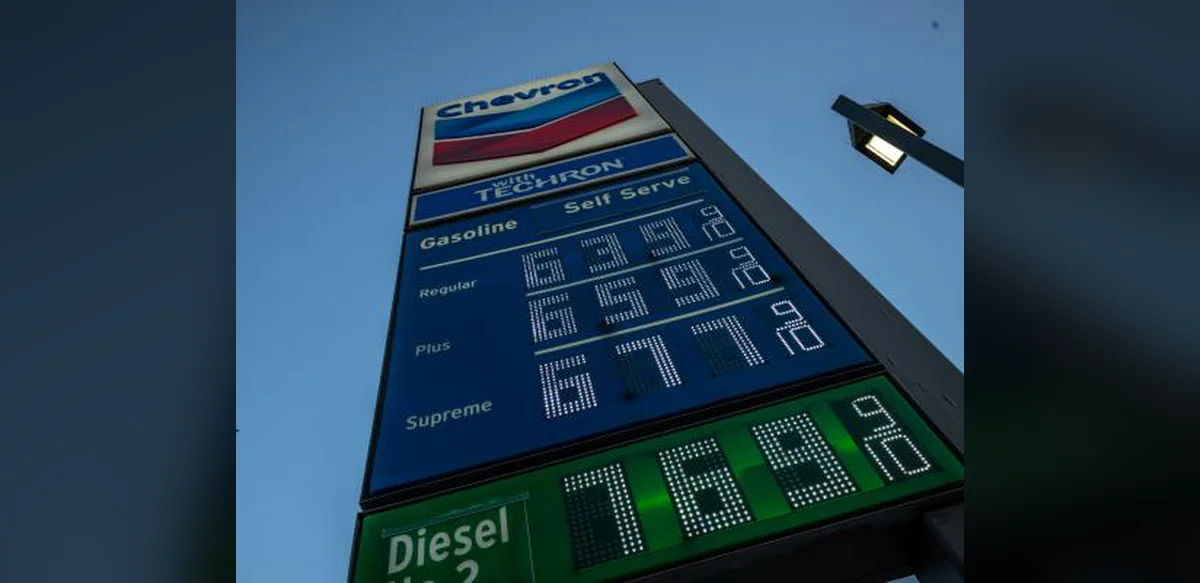
US drivers should not expect gasoline prices to return to pre-conflict levels soon, even if the United States and Iran reach a peace agreement. As the conflict enters its third month, rising fuel costs and inflation have drawn public frustration, with President Donald Trump facing polling declines. The president stated that prices would fall sharply once fighting stops. Analysts caution that the process will be gradual. Fuel prices typically rise quickly but decline slowly. A ceasefire might trigger an immediate drop, yet restoring output and clearing supply disruptions in the Middle East could require months or longer. The national average gasoline price stands at $4.55 as of May 22, about $1.50 higher than before the conflict began in late February, according to chief oil analyst Denton Cinquegrana. Returning to earlier levels near $3 per gallon may not occur until 2026. Roughly 20 million barrels of oil daily pass through the Strait of Hormuz, currently unavailable to global markets. Converting crude into fuel normally takes 30 to 60 days, including extraction, transport, refining and distribution, notes David Ruisard of Argus Media. Restarting damaged facilities in the Persian Gulf involves many uncertainties. Even undamaged wells using conventional methods restart more slowly than shale operations. Refineries also require time to reach operating temperatures. Clearing vessel backlogs could take three to five weeks. Very large crude carriers move at about 13 knots. Cinquegrana estimates recovery will last at least as long as the conflict. If fighting ends by June, the rebound may require around 18 weeks. Industry forecasts range from six months to two years for prices to stabilize. Seasonal demand may add pressure. Gasoline and diesel remain near recent highs, while jet fuel has eased slightly. European airlines have adjusted routes amid supply concerns, according to Ryanair CEO Michael O’Leary. Jet fuel prices could recover faster than other fuels as carriers reduce flights. Gasoline may normalize ahead of diesel due to tighter diesel output in recent years. Prices could increase further with the summer driving season. AAA forecasts 45 million travelers over the Memorial Day weekend. Analyst Patrick De Haan notes that any peace announcement might lower prices within days due to sentiment, though longer-term forecasts remain uncertain.