

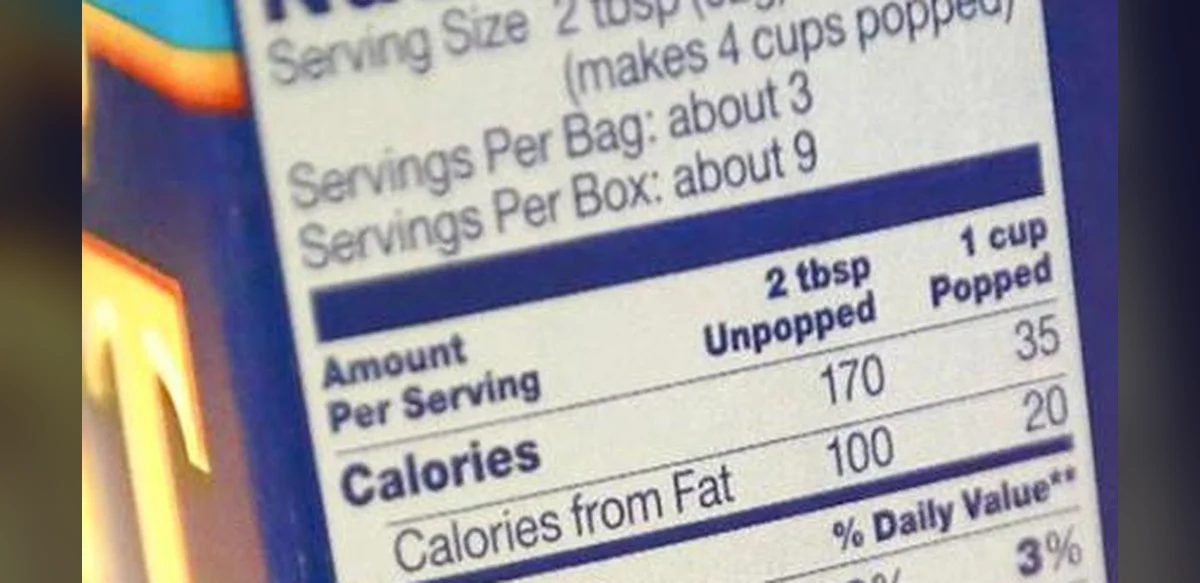
In today’s supermarkets, packaging language is shifting. Products once promoted mainly for flavor and ease now often feature health aspects including natural, organic, high protein, low sugar, fortified or gut-friendly. This change shows companies reacting to shoppers who question ingredients more than before.
Social platforms meanwhile overflow with warnings to avoid processed items, follow clean eating and reject anything in a packet.
Shoppers thus encounter opposing views. Companies strive to appear healthier while influencers and reports frequently blame processed foods for lifestyle illnesses.
Nutrition realities are usually more complex.
India’s eating patterns are evolving. Higher earnings, city living, rising health consciousness and growing obesity plus diabetes rates have led people to examine food contents closely. Officials are also increasing focus on accurate claims, ingredient lists and labeling. This development helps because better-informed individuals choose wisely.
Yet more knowledge should not create excess worry. Judging items only as processed or ultra-processed requires first grasping what processing involves.
Processing is not new. People have altered foods for centuries through methods like cleaning grains, milling flour, fermenting dairy, roasting nuts, drying herbs, heating milk, chilling produce, making preserves or turning fruit into spreads. These steps boost safety, extend usability, aid digestion, cut waste and improve enjoyment.
Beyond convenience, processing affects nutrition. Techniques such as sprouting pulses raise vitamin levels and digestibility. Fermentation lowers compounds that block mineral uptake. Heating reduces harmful microbes. Cooking increases absorption of compounds like lycopene. Adjusted textures help specific groups including older adults or children.
Processing varies widely, from simple washing or freezing to complex industrial steps with multiple additives.
The term processed alone reveals little about health value. It only indicates prior handling.
Instead of asking whether to avoid all processed foods, consider specifics. Check sugar or salt amounts, protein and fiber levels, frequency of use and overall diet role.
Marketing phrases like no added sugar or natural can suggest health benefits that overlook full nutrition facts.
Food development continues to meet demand for better options. Regulators work to verify claims are accurate and clear. This benefits consumers, authorities and producers by building trust and supporting sound innovation.


