


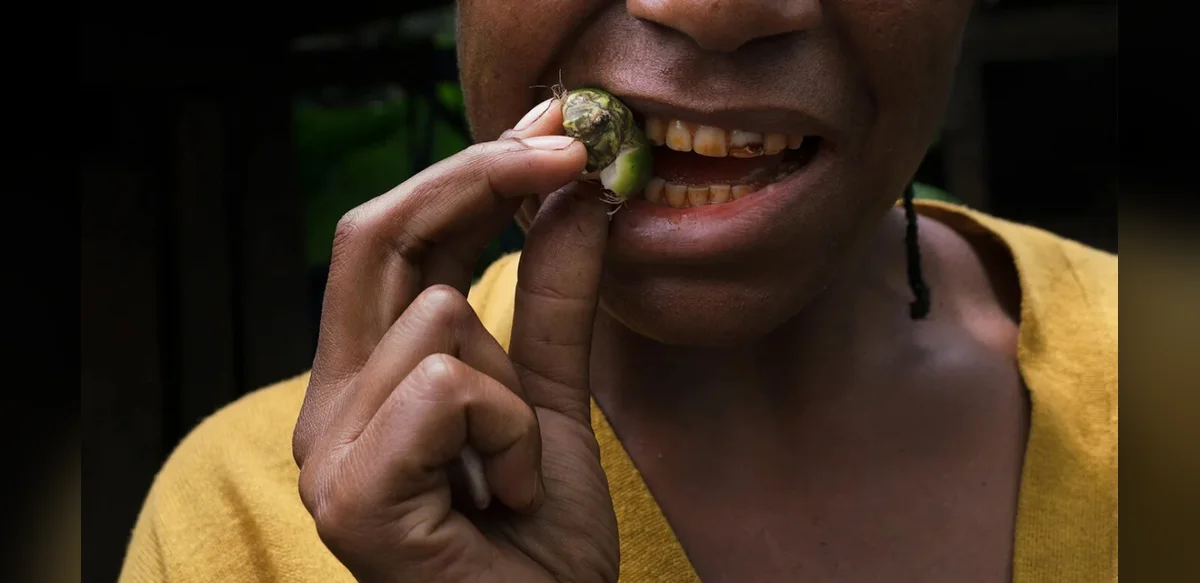
Recent analysis of prehistoric human dental remains has uncovered evidence pointing to the long-term consumption of betel nuts. These seeds, known for their stimulating effects, have been used across various regions in Asia for centuries. The study focused on distinctive grooves found on the surfaces of the teeth, which researchers believe resulted from repeated contact with the fibrous material.
Betel nuts come from the areca palm and are typically chewed wrapped in leaves along with other ingredients. While the practice continues in many communities today, it carries documented health concerns, including potential damage to oral tissues. The new findings suggest this habit may date back much further than previously confirmed through direct archaeological proof.
Scientists examined the patterns of wear and the specific shape of the indentations. These features differed from typical damage caused by diet or tool use. Instead, they matched the effects seen in modern individuals who chew betel nuts regularly. The grooves appeared consistently across multiple specimens, indicating a widespread cultural behavior rather than isolated cases.
The research team employed microscopic imaging and comparative studies with contemporary dental samples. This approach helped rule out alternative explanations such as environmental erosion or post-mortem changes. The results strengthen the link between the observed marks and habitual nut chewing.
Betel nut use remains common in parts of South and Southeast Asia. Users often cite its mild psychoactive properties and social role in gatherings. Despite these aspects, health authorities have highlighted risks such as increased chances of certain mouth conditions. The ancient evidence adds historical depth to ongoing discussions about the practice.
Archaeologists note that plant-based habits can leave subtle traces in the fossil record. Teeth, being durable, preserve such details effectively. In this instance, the grooves provided a window into daily routines from thousands of years ago. Further excavations in the same regions may yield additional examples.
The study underscores how small physical clues can reshape understanding of past societies. It also connects modern health topics with their deep roots in human behavior. Public health efforts in affected areas continue to address the balance between tradition and well-being.
Experts emphasize the need for continued investigation into similar archaeological materials. Each discovery contributes to a fuller picture of how people interacted with their environment and resources over time. The current work opens avenues for exploring related customs in other parts of the world.
Overall, the findings illustrate the value of interdisciplinary methods combining dentistry, anthropology, and history. They remind observers that everyday actions can leave lasting marks, both literally and figuratively, across generations.


