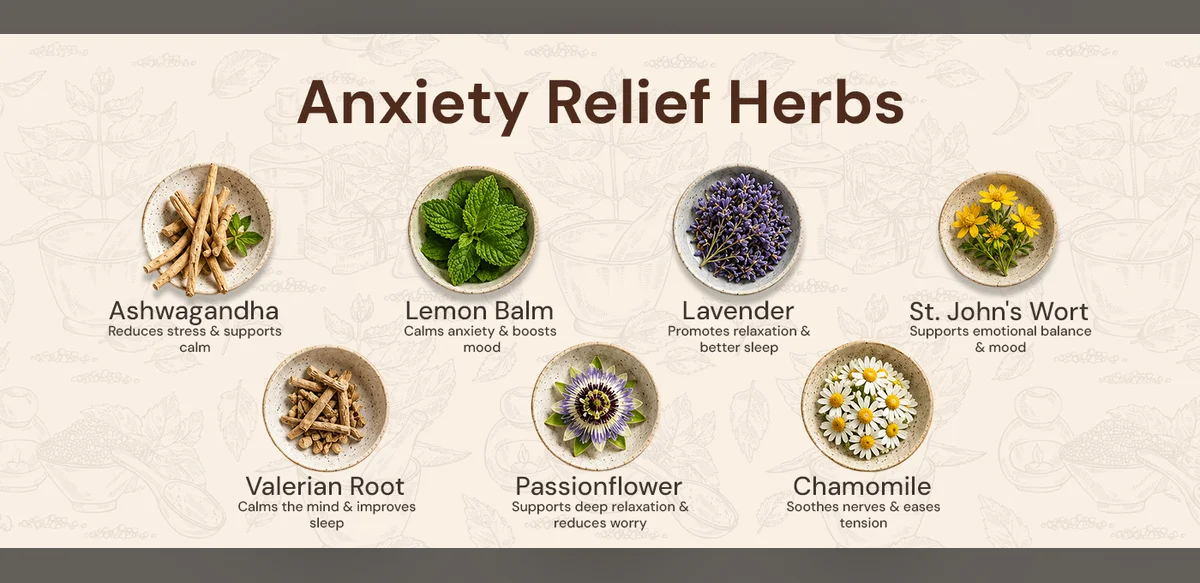
Stress represents a temporary reaction to outside demands, whereas anxiety often involves ongoing concern without an obvious cause. In Ayurvedic tradition, such patterns are frequently connected to an imbalance in vata that impacts the mind channel. Common supportive herbs include ashwagandha, brahmi, jatamansi, shankhpushpi and tulsi, used alongside consistent daily habits and guidance from practitioners. Key distinctions note that external pressures typically trigger stress, which fades with changed circumstances, while anxiety may persist independently. Vata imbalance is associated with symptoms like racing thoughts, restlessness and disrupted sleep. Factors such as poor rest, irregular eating and ongoing tension can diminish digestive strength and emotional resilience. Traditional herbs are employed to promote steadiness and clarity. Foundational habits involve balanced meals, steady sleep patterns, limited screen exposure, breathing exercises, meditation and oil massage. Specialized preparations require selection according to individual constitution and expert advice. Potential interactions with medications exist, so professional consultation is essential for intense symptoms or impairment.