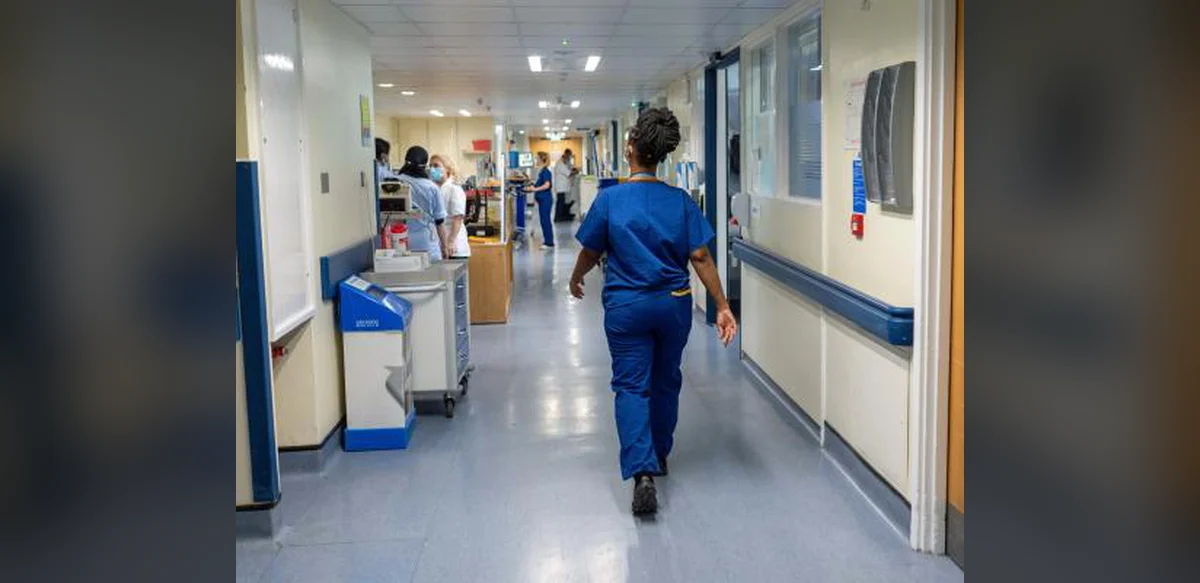
Hospitals across the UK are assigning nurses to fill doctor positions due to a widespread shortage of physicians in the National Health Service, sparking worries about potential declines in care quality. These advanced practitioners, primarily experienced nurses, are handling duties typically reserved for doctors in emergency departments, newborn care units, intensive care, and other specialties. Data from nearly half of UK hospitals, gathered by the British Medical Association through freedom of information requests from health trusts in England and boards in Scotland, Wales, and Northern Ireland, show that about 43% use these practitioners to address gaps in physician schedules. The association cautions that relying on non-physicians for medical tasks could be unsafe and might stem from cost-saving efforts, as these staff members are less expensive than doctors. This practice follows several incidents where errors by advanced practitioners in diagnosing or treating patients resulted in harm or fatalities. Such substitutions seem to violate guidelines from NHS England, which state that while advanced practitioners offer important expertise, they should not take over doctors’ responsibilities to maintain patient safety. However, some trusts confirmed they employ skilled non-medical personnel in roles equivalent to those of doctors. For instance, one trust in Birmingham indicated that advanced practitioners are trained and placed in positions matching their physician counterparts, including junior or mid-level roles based on specialty and experience. Another trust in east London noted that these practitioners cover junior or mid-grade doctor functions in its acute facilities. In Scotland, certain health boards integrate them into critical care rosters and after-hours primary care services, as well as pediatric and neonatal inpatient care. Additionally, 55 responding NHS organizations allow advanced practitioners to carry emergency pagers for urgent situations, a role traditionally held by doctors, compared to 32 that do not. A BMA representative, a pediatric specialist, expressed alarm at the findings, highlighting the significant differences in training between doctors and advanced practitioners, and criticized the approach as inadequate compared to recruiting more physicians. The survey included responses from about half of UK NHS entities, with 43 admitting to placing advanced practitioners on medical schedules and 41 permitting them to fill doctor vacancies. Furthermore, 82 organizations allow these practitioners to order tests and treatments, while only six prohibit it. A July 2024 inquest in Manchester determined that a patient’s death from a massive blood clot stemmed from an advanced nurse practitioner’s failure to identify embolism risks during a consultation, despite the individual’s medical history; the practitioner ordered an ineffective X-ray and omitted follow-up care. An official review also revealed that a consultant nurse at a hospital in Rotherham delivered substandard care during advanced endoscopic procedures from 2016 to 2021, leading to serious harm or death for at least 68 patients.