

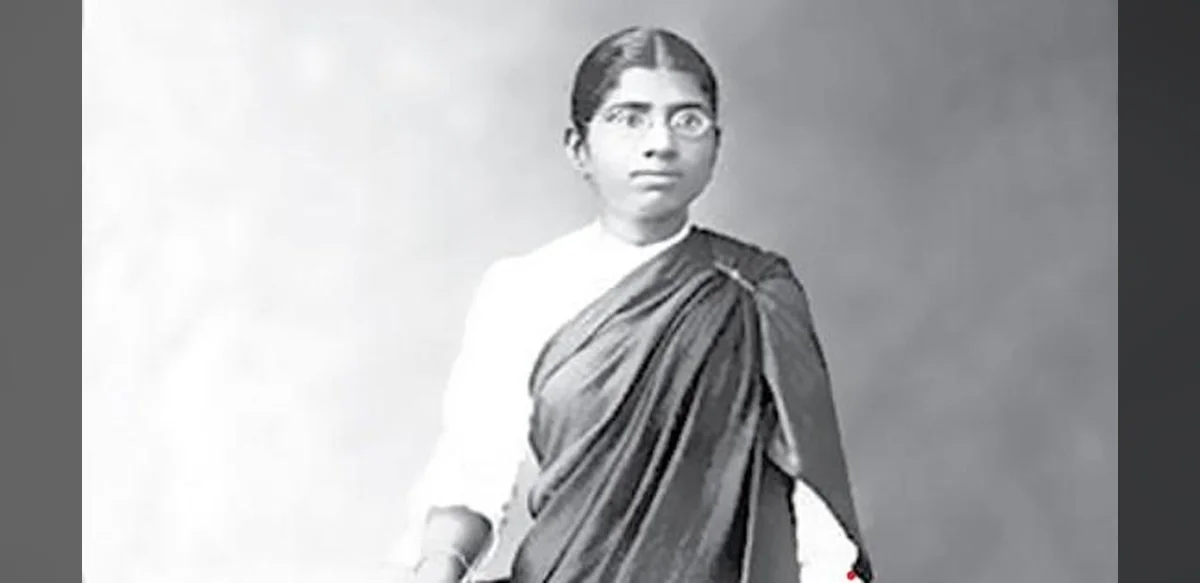
Born in 1886 in the Pudukkottai princely state of Tamil Nadu to S. Narayanaswami Iyer, principal of Maharaja’s College, and Chandrammal, a young girl overcame the social restrictions placed on women at the time. She would later become one of India’s leading social reformers through her work in medicine and public administration.
Muthulakshmi was the first female student admitted to Maharaja’s College in Pudukkottai after the local ruler granted her entry and a scholarship despite opposition from staff, students and parents. Following a three-month trial period, she completed her studies successfully and then sought to study medicine.
In 1907 she became the first woman admitted to Madras Medical College, where she graduated with a gold medal. She later served as house surgeon at the Government Hospital for Women and Children and the Government Maternity and Ophthalmic Hospital in Madras, now Chennai, opening opportunities for other women in medicine.
Her medical experience exposed her to social problems affecting women and led her into public life. She became the first woman legislator, the first woman deputy president of the Legislative Council and the first woman member of the Madras Corporation. In these roles she advanced property rights for women, laws against child marriage and protections for children, while also campaigning against the devadasi system.
She promoted improved education and healthcare access for women through scholarships, fee waivers and hostels, and supported better sanitation in poorer areas.
Her legacy includes the Avvai Home and Orphanage and the Adyar Cancer Institute in Chennai. In 1956 she received the Padma Bhushan award. She died in 1968, leaving reforms that expanded access to education, health services and social equality.


