

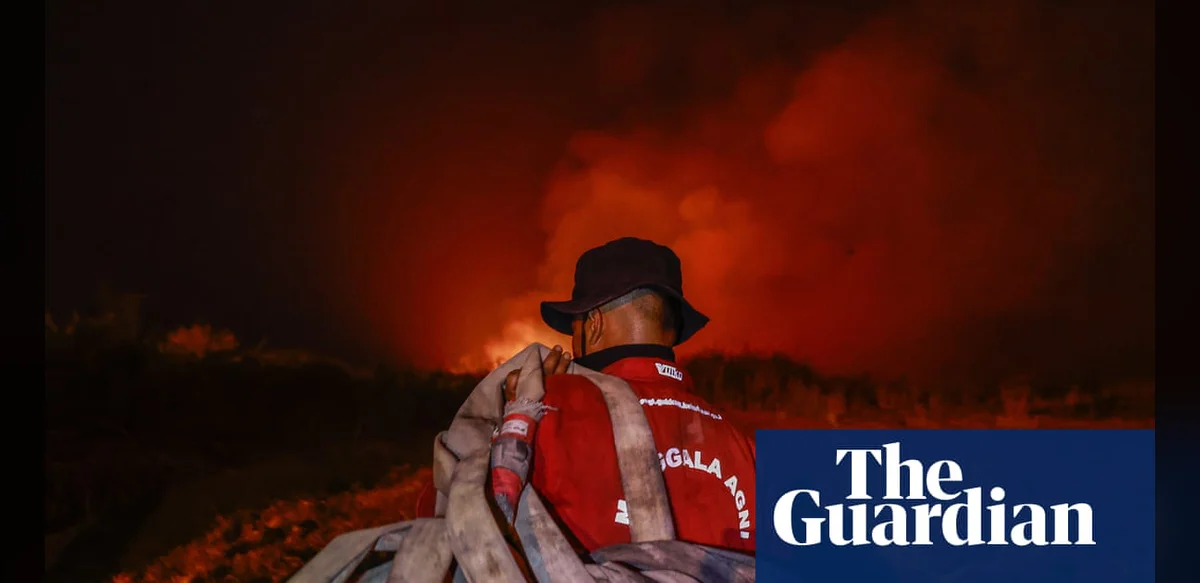
Wildfires linked to the El Niño weather pattern are causing significant damage to forests in Indonesia. The blazes are concentrated in the regions of Sumatra and Kalimantan, where dry conditions have allowed the fires to spread rapidly. Indonesian officials have stepped up their response efforts to manage the ongoing situation.
The fires have led to the release of haze that has reached neighboring countries including Malaysia, Singapore, and the Philippines. This development has prompted increased monitoring by regional authorities. Operations to contain the flames continue as teams work to limit further spread into additional forested zones.
Conditions associated with El Niño have contributed to prolonged dry spells, making vegetation more susceptible to ignition. In response, government agencies have deployed additional resources to affected areas. The focus remains on protecting remaining forest cover while addressing the immediate threats posed by active burning sites.
Local communities near the fire zones have been advised to take precautions due to reduced air quality from drifting smoke. Officials continue to assess the extent of the damage to natural habitats. Efforts are underway to coordinate with international partners for support in monitoring and mitigation activities.
The situation highlights the challenges of managing large-scale fires during periods of extreme weather. Authorities emphasize the importance of rapid intervention to prevent escalation. Updates on containment progress are being shared regularly with the public and regional stakeholders.
Additional patrols and aerial surveillance have been introduced to track fire movement across the landscape. Resources are being allocated to priority zones where the risk of further expansion is highest. The overall response aims to balance immediate suppression with longer-term environmental considerations.
Haze levels in affected cross-border areas are under continuous observation. Measures to support air quality management are being reviewed by relevant agencies in multiple nations. The collaborative approach seeks to minimize disruptions caused by the smoke.
Forest areas impacted by the fires represent important ecological zones. Protection of these regions remains a key priority for Indonesian environmental teams. Ongoing assessments will help determine the full scope of changes to the landscape.
As operations proceed, the emphasis stays on safety for personnel involved in firefighting activities. Equipment and personnel are being rotated to maintain effectiveness over extended periods. The response framework continues to adapt based on real-time developments in the field.


