

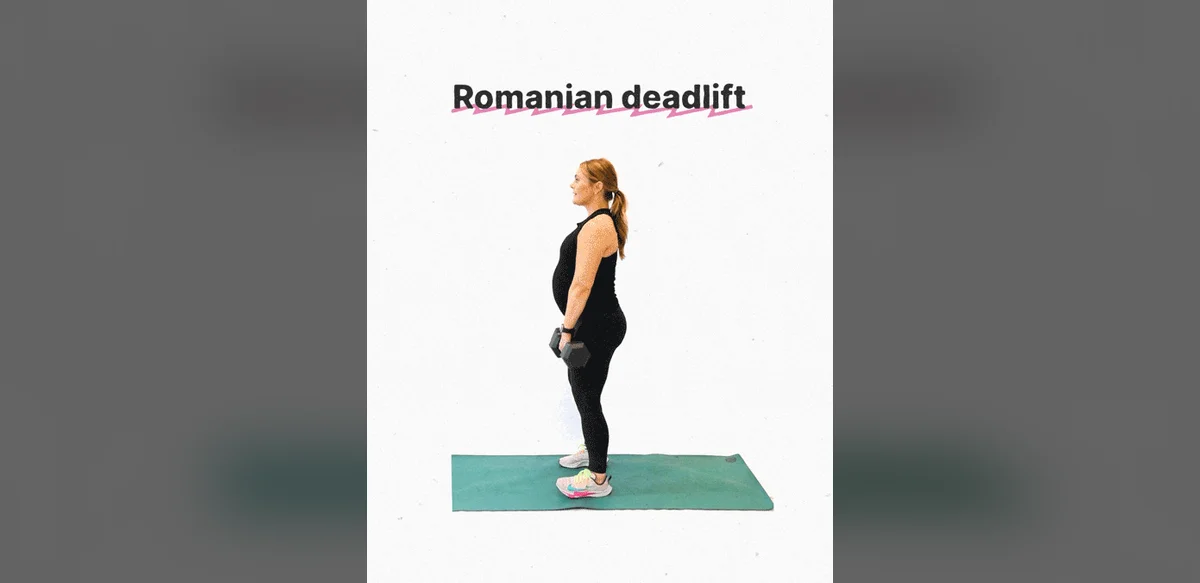
Pregnancy brings many physical changes that can lead to discomfort such as hemorrhoids, leg cramps, and sciatica. These issues arise as the body adapts to support growing life, with added weight and shifting posture often contributing to strain on muscles and joints. While the experience varies for each person, certain movements may help reduce or avoid some of these common concerns.
Medical experts note that regular, gentle activity supports circulation and strengthens areas prone to stress during this period. It is important to consult a healthcare provider before starting any routine to ensure safety for individual circumstances. Low-impact options are frequently recommended because they minimize risk while promoting overall well-being.
One approach involves pelvic tilts performed while lying on the back or standing. This motion gently engages the lower abdominal muscles and can ease pressure on the lower back. Repeating the movement several times a day may contribute to better posture and reduced discomfort in the pelvic region.
Walking at a moderate pace offers another accessible option. It encourages blood flow to the legs, which can help limit the occurrence of cramps. Short, consistent sessions outdoors or indoors allow the body to stay active without excessive exertion.
Swimming or water-based exercises provide buoyancy that supports the body weight, reducing stress on joints. The resistance of water also builds strength in a controlled manner. Many find this method soothing, particularly in later stages when mobility on land becomes more challenging.
Prenatal yoga sequences focus on stretching and breathing techniques that target areas like the hips and spine. Poses adapted for pregnancy can relieve tension associated with sciatica by promoting flexibility. Instructors trained in this specialty ensure movements remain appropriate throughout the trimesters.
Strengthening the core through modified planks or seated exercises may further support the back and abdomen. These build endurance gradually, helping the body manage the physical demands of pregnancy. Emphasis remains on form and controlled breathing rather than intensity.
Consistency matters more than duration. Short daily practices integrated into a routine often yield better results than occasional longer sessions. Listening to the body and stopping at any sign of pain or dizziness is essential. Hydration and proper nutrition complement these efforts by supporting muscle function.
Research in maternal health indicates that such activities can improve quality of life during pregnancy when tailored appropriately. Communities and clinics sometimes offer classes that combine education with guided movement. Participants benefit from shared experiences and professional oversight.
As pregnancy progresses, adjustments to the exercises become necessary to accommodate changing balance and energy levels. What works in the first trimester may need modification later. Open communication with medical professionals helps refine the approach over time.
Overall, incorporating these movements into daily life represents one strategy among many for managing physical changes. Each pregnancy is unique, and outcomes depend on multiple factors including genetics and pre-existing conditions. The goal remains comfort and health for both parent and child.


