


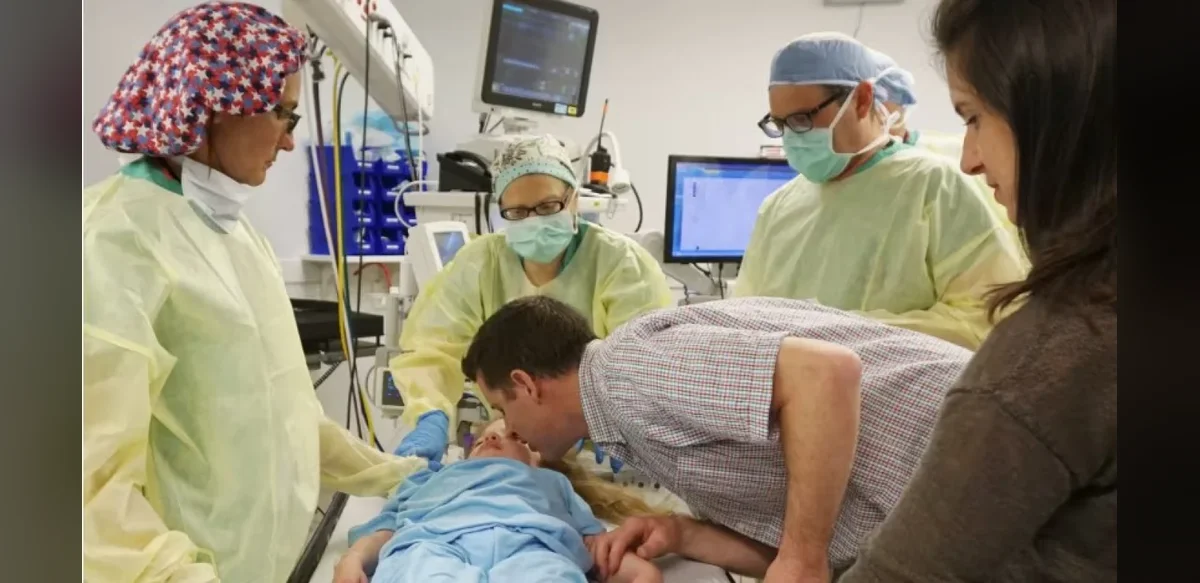
In a notable development for families facing rare genetic disorders, one household impacted by Sanfilippo syndrome played a pivotal role in advancing scientific efforts that recently culminated in regulatory approval. The group channeled substantial resources into investigative work focused on innovative treatment approaches. This backing proved instrumental in bringing a novel intervention closer to patients.
Sanfilippo syndrome represents a challenging lysosomal storage disorder that primarily affects young individuals, leading to progressive neurological decline. Research into corrective methods has long sought ways to address the underlying genetic defects. The family’s initiative helped bridge funding gaps that often hinder progress in such specialized areas of study.
The Food and Drug Administration’s recent decision marks an important milestone. It recognizes the potential of the gene-based therapy developed through sustained collaborative efforts. Officials evaluated extensive data demonstrating safety and efficacy before granting clearance. This step opens pathways for broader access to the treatment option.
Fundraising activities by affected relatives typically involve community events, awareness campaigns, and partnerships with academic institutions. These actions not only generate financial support but also highlight the urgent needs within patient communities. In this instance, the accumulated contributions directly facilitated key phases of laboratory and clinical investigations.
Medical experts note that such patient-driven philanthropy can accelerate timelines in fields where traditional grants fall short. The approved therapy targets the root causes at a molecular level, offering hope for improved outcomes. Ongoing monitoring will assess long-term effects and refine application protocols.
Broader implications extend to other rare conditions where similar strategies might apply. Regulatory bodies continue to streamline review processes for advanced therapies, balancing innovation with rigorous standards. Stakeholders emphasize the value of sustained investment in foundational science.
Public health discussions increasingly recognize the contributions of dedicated families in shaping research priorities. Their experiences underscore the human element behind scientific breakthroughs. As more therapies reach approval stages, attention turns to equitable distribution and integration into standard care frameworks.
The journey from initial concept to approved treatment often spans years and requires multifaceted support. This case illustrates how targeted assistance can yield tangible results. Future projects may draw lessons from this model of engagement between communities and researchers.
Continued observation of treated individuals will provide valuable insights into therapeutic durability. Health authorities plan to update guidelines based on emerging evidence. The overall landscape for genetic interventions continues to evolve with each new approval.
This episode highlights the intersection of personal advocacy and institutional progress. It serves as a reminder of the collective effort required to translate promising ideas into viable medical solutions. Researchers express gratitude for the foundational role played by such contributors in sustaining momentum.
Looking ahead, expanded studies may explore applications in related disorders. Collaboration across borders and disciplines remains essential for addressing the complexities involved. The recent approval stands as a testament to perseverance amid significant challenges.
Neutral reporting on these developments aims to inform without exaggeration. Details surrounding the therapy’s mechanism involve precise genetic modifications designed to restore cellular function. Patients and caregivers now await further rollout information from healthcare providers.
In summary, the family’s dedication has left a lasting mark on the trajectory of gene therapy research. Their story reflects wider themes of resilience and determination in the face of adversity. As the field advances, similar partnerships are likely to play recurring roles in driving innovation forward.

