


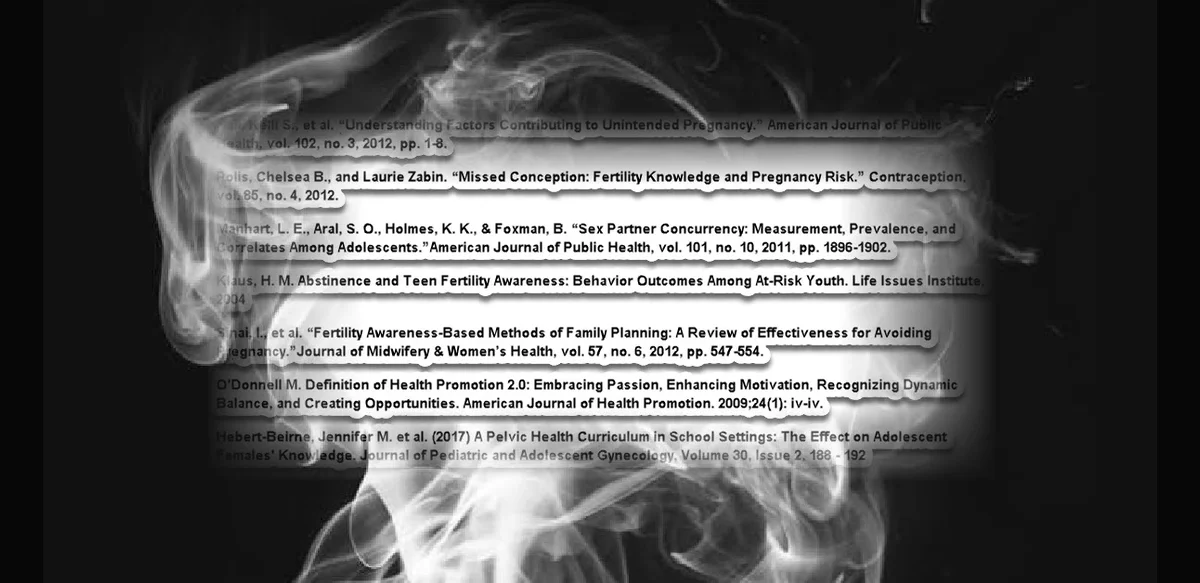
A recent federal court ruling has drawn attention to the use of references in a document issued by the Department of Health and Human Services concerning priorities for teen pregnancy prevention programs. The judge overseeing the case pointed out that several citations appeared fabricated or generated without proper verification, prompting questions about the standards applied in preparing such materials.
The document in question outlines funding and program directions aimed at reducing rates of teen pregnancy across the country. It includes sections on evidence-based approaches, community outreach, and evaluation methods. However, the court found that a number of listed sources could not be located in standard academic databases or government archives, leading to the conclusion that they may not exist in the form presented.
Officials from the department have not issued a detailed public response regarding the specific citations flagged by the court. In similar past instances involving government reports, agencies have sometimes revised materials after errors are identified or have provided additional context about internal review processes.
Legal observers note that the accuracy of references in policy documents can affect how programs are implemented and how courts assess related challenges. When citations are questioned, it may influence decisions on whether certain initiatives meet statutory requirements for evidence-based practices.
Advocates for improved government transparency have called for clearer guidelines on how agencies verify sources before including them in public materials. They argue that consistent standards could help maintain public trust in health-related initiatives, particularly those involving sensitive topics such as adolescent health and family planning services.
The case continues to move through the judicial system, with further hearings expected to examine the preparation and review of the document. Stakeholders from both public health organizations and legal advocacy groups are monitoring developments closely, as the outcome could set precedents for how federal agencies handle documentation in program planning.
Health policy analysts emphasize that teen pregnancy prevention remains an important area of focus, with data showing variations in rates across different regions and demographic groups. Effective programs often combine education, access to services, and community engagement, supported by ongoing evaluation to measure impact.
While the current dispute centers on reference accuracy rather than the overall goals of the program, it highlights broader challenges in ensuring that policy documents meet high standards of reliability. Government agencies routinely produce extensive reports that draw on research from multiple fields, and maintaining the integrity of those sources is viewed as essential to informed decision-making.
The episode also raises questions about the role of technology in document preparation. Automated tools can assist with drafting and research, yet they require human oversight to confirm that all cited works are real and accurately represented. Experts in information management recommend regular audits of references as part of standard quality control procedures.
As the legal process unfolds, additional details may emerge about how the references were compiled and why certain entries could not be verified. In the meantime, the department continues its work on teen pregnancy prevention efforts, which involve coordination with state and local partners across the country.
Public health professionals stress the importance of evidence in shaping interventions that address adolescent well-being. Reliable documentation supports the ability of programs to demonstrate effectiveness and secure continued support from policymakers and communities.
Observers expect that the court’s findings will encourage agencies to strengthen internal checks on citations and other factual elements in official publications. Such steps could help prevent similar issues in future documents related to health policy and program administration.


