

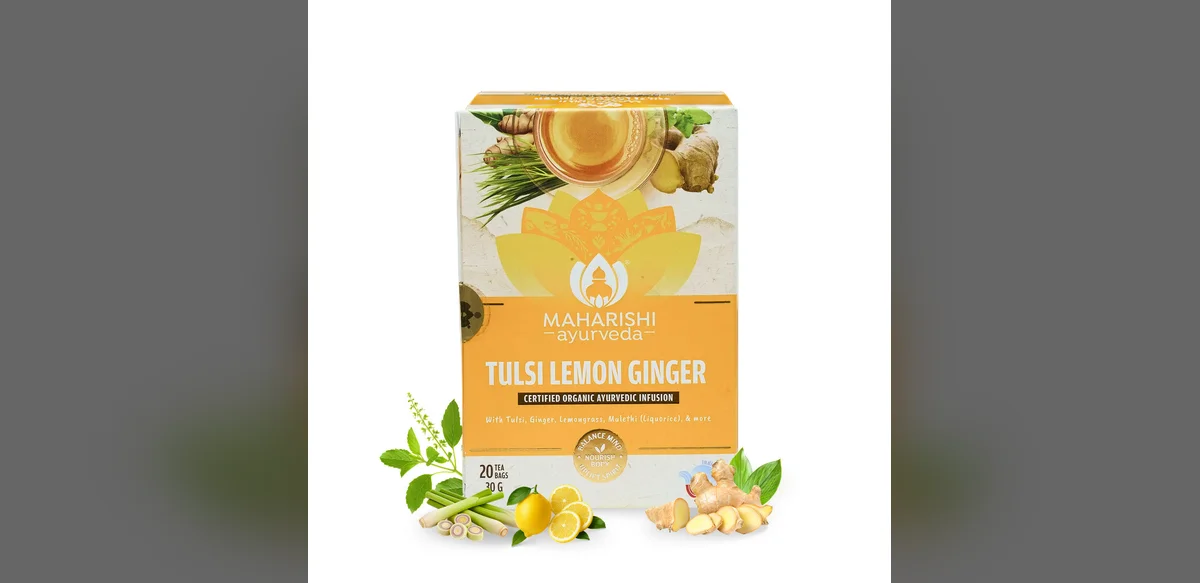
Many people seek ways to lower daily caffeine consumption while preserving the comforting habit of a warm beverage. Herbal infusions provide one approach, as most are naturally free of caffeine and come in a variety of flavors suited to different moments. Common choices include blends featuring tulsi with lemon and ginger, rose with hibiscus, or chamomile with lavender. These options allow individuals to maintain a ritual of sipping something hot without the stimulant effects associated with coffee.
Coffee typically contains 80 to 100 milligrams of caffeine per eight-ounce serving, according to regulatory sources. In contrast, pure herbal mixtures deliver none unless additional caffeinated ingredients are included. The transition does not replicate the alertness boost from coffee but instead supports a different kind of routine focused on flavor and relaxation. People who tolerate caffeine well may continue enjoying coffee, yet substituting one or two servings can help reduce overall intake, especially later in the day.
Several herbal varieties align with specific times. A warming blend with tulsi, ginger, and citrus elements suits morning or post-meal use, offering bright and spicy notes. Floral combinations with rose petals and hibiscus work well for midday breaks, providing tart and aromatic qualities. Ayurvedic-inspired mixtures that emphasize cooling or balancing properties appeal to those following traditional wellness frameworks. Lighter everyday infusions with multiple herbs can stand in for habitual breaks, while evening selections centered on chamomile and lavender support wind-down periods.
Comparisons show distinct profiles. Morning-oriented teas often highlight digestive spices. Afternoon choices lean toward floral and mild tastes. Evening versions prioritize calming herbs. Evidence for specific sleep benefits remains mixed in scientific reviews, so these drinks function best as part of a broader routine rather than guaranteed remedies. Individuals with digestive sensitivities should consider personal tolerance, particularly with strong ginger content.
Switching gradually tends to be more comfortable. Retaining the most enjoyed coffee serving while replacing others with herbal alternatives minimizes potential side effects such as temporary fatigue or headaches. Selecting based on time of day, preferred taste, and desired caffeine level helps ensure consistency. Organic sourcing may matter to some consumers, yet it does not alter the fundamental properties of the infusion.
Overall, no single herbal tea matches coffee exactly. Instead, different options address varied occasions. A warming morning drink, a floral midday choice, a dosha-oriented blend, a light multi-herb beverage, or a calming evening infusion each serves a distinct purpose. The most effective replacement is the one a person enjoys enough to use regularly. Checking ingredient lists remains important to confirm the absence of hidden caffeine sources like green tea or yerba mate.
Public health guidance emphasizes moderation with caffeine for sensitive groups. Herbal teas expand beverage choices without requiring complete elimination of coffee. This flexible approach supports individual preferences while encouraging awareness of consumption patterns. Continued interest in traditional systems such as Ayurveda has increased visibility of these infusions in many markets.
Further exploration of flavor combinations reveals additional possibilities. Some blends incorporate fennel or cardamom for gentle aroma. Others focus on single herbs like pure chamomile. Availability varies by region, yet many basic ingredients appear in standard grocery settings. Experimentation helps identify suitable matches for personal schedules and taste preferences.
Long-term habits benefit from small, sustainable changes rather than abrupt shifts. Replacing an afternoon coffee with a caffeine-free option, for instance, preserves the break ritual while avoiding additional stimulation. Over time, such adjustments can align beverage choices more closely with desired energy levels and sleep quality. Professional medical advice should guide any concerns related to digestion or sleep rather than relying solely on dietary swaps.
The range of available herbal teas continues to grow, reflecting broader wellness trends. Consumers benefit from reading labels carefully and considering both flavor and functional aspects. Whether the goal is reduced caffeine, variety in routine, or alignment with traditional practices, these infusions offer practical alternatives that fit diverse lifestyles.


