

A recent Supreme Court ruling has permitted the current administration to terminate temporary protected status for a large number of Haitian nationals. This development extends its effects well past legal proceedings into everyday health services across the country.
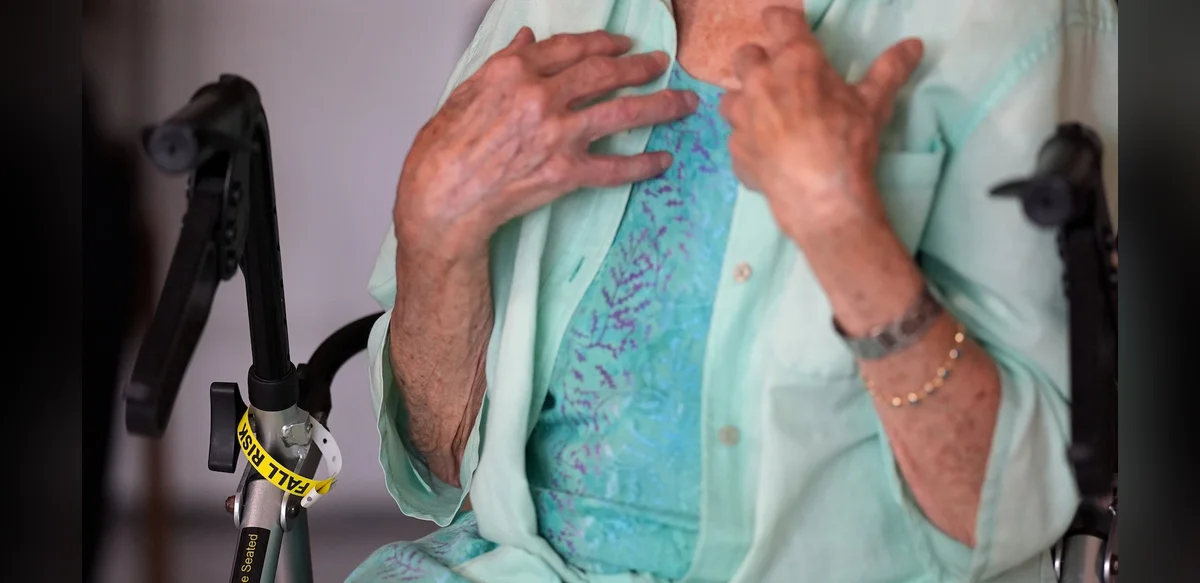
Many Haitian immigrants have served as essential home health aides and nursing assistants for older adults. Their roles include helping with mobility, medication reminders, meal preparation, and emotional companionship. Removing their legal protections could reduce the available workforce in these positions.
Senior care facilities and families already face staffing shortages in several regions. Losing experienced Haitian workers would likely increase wait times for in-home visits and raise costs for families seeking private assistance. Public health experts note that consistent caregiver support helps prevent hospital readmissions among older patients.
Advocates for immigrant communities argue that the policy change overlooks the contributions these workers make to the broader care system. They point out that many have lived in the United States for years and hold certifications in patient care. Community organizations are preparing guidance sessions to explain options that remain available under existing regulations.
Health agencies in states with sizable Haitian populations are monitoring potential gaps in service delivery. Some are exploring recruitment from other groups while maintaining training standards required for elder care roles. Officials emphasize the need for stable staffing to support aging residents who prefer to remain at home rather than enter institutional settings.
The decision also raises questions about continuity of care for seniors who have built long-term relationships with specific aides. Sudden departures can lead to confusion and anxiety for individuals managing chronic conditions. Medical professionals stress that reliable daily support contributes to better management of issues such as mobility limitations and nutrition.
Discussions among policy analysts focus on balancing immigration enforcement priorities with the practical demands of the health care sector. Data from labor studies show that foreign-born workers fill a notable share of direct care jobs nationwide. Any reduction in this segment could affect service quality in both urban and rural areas.
Families caring for aging relatives describe the uncertainty as a source of added stress. They worry about finding replacements who match the cultural sensitivity and language skills some Haitian caregivers provide. Local nonprofits have begun compiling lists of certified alternatives to ease transitions.
Public health researchers continue to examine how workforce changes influence outcomes for older adults. Early observations suggest that disruptions in routine assistance correlate with higher rates of falls and missed medical appointments. These findings underscore the interconnected nature of immigration policy and community health infrastructure.
As implementation details emerge, stakeholders from health organizations and immigrant support groups are scheduling joint forums. The goal is to identify practical steps that protect both legal compliance and the well-being of seniors who depend on steady care. Observers expect further clarification from federal agencies in the coming months regarding enforcement timelines and any exceptions for essential workers.


