

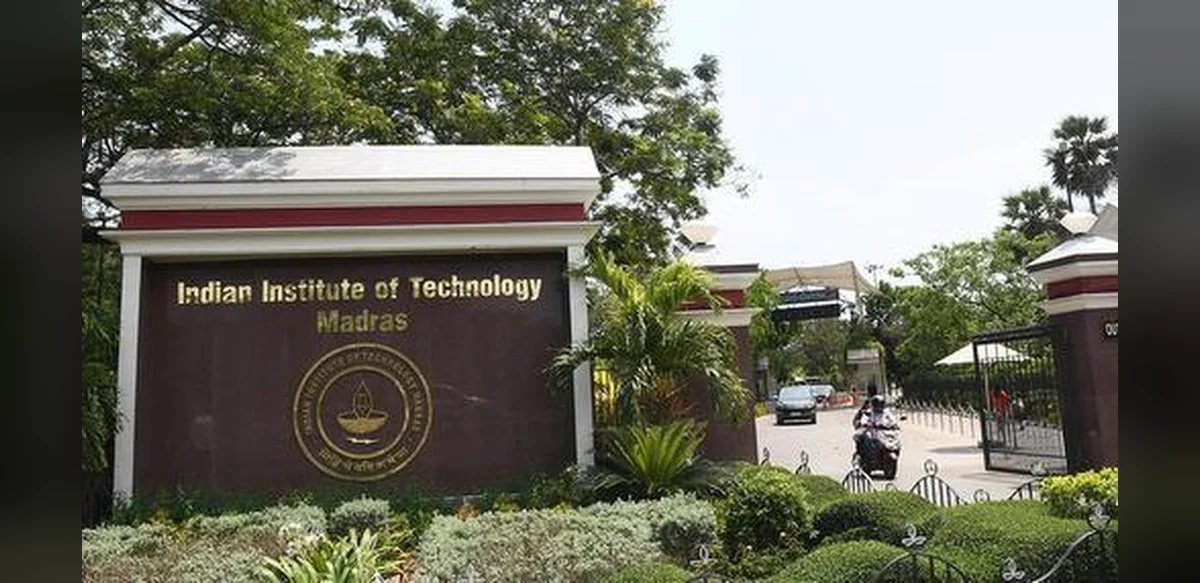
Following Union government instructions, higher education institutions in India, beginning with IITs and IIMs this year, have started recommending that new students provide a voluntary urine sample for testing drugs including amphetamines, cocaine, marijuana, benzodiazepines, and phencyclidine as part of admission documents.
Government officials and admission materials indicate the test is optional, with results kept confidential and anonymised, and it will not impact admission decisions.
The Education Ministry’s Department of Higher Education launched this effort to address narcotics nationwide, per the Narcotics Control Bureau’s Vision Document on Narcotics Control 2026-29. A main goal is screening about 10 lakh students at 170 centrally funded institutes over three years in stages. The document describes psychoactive substance misuse among college students as a rising health issue.
The drive to screen 10 lakh students by 2029 aligns with preparations for the next national survey on substance use, with results due in coming years. Prime Minister Narendra Modi will launch the Nasha Mukt Yuva for Viksit Bharat Sankalp Abhiyan on August 2, 2026, to encourage youth to avoid substance abuse.
Officials noted that basic testing guidelines came from the National Drug Dependence Treatment Centre at AIIMS New Delhi. The process must remain voluntary and confidential, with no negative effects on participants, and results used only for counselling.
IIM Lucknow’s brochure for the 2026-28 MBA batch states the urine test must occur at an NABL-certified lab within seven days of report submission, with results sent in a sealed confidential envelope to the student wellness committee.
IIT Goa’s document for B.Tech entrants stresses the test is voluntary and confidential, designed mainly for preventive health and support. Results will not affect academic status, admission, hostel eligibility, or lead to disciplinary actions.
IIM Lucknow’s note says results will not affect admission but omits explicit mention of no repercussions during studies.
The screening programme runs in three phases. Phase one covers IITs, IIMs, and one central university this year. Phase two in 2027-28 includes 32 NITs, eight IISERs, three SPAs, 25 IIITs, and four other technical institutes. Phase three in 2028-29 covers 46 central universities and four deemed universities.
The vision document also plans to designate campuses and surrounding areas as drug-free zones and train teachers on substance abuse prevention.


