

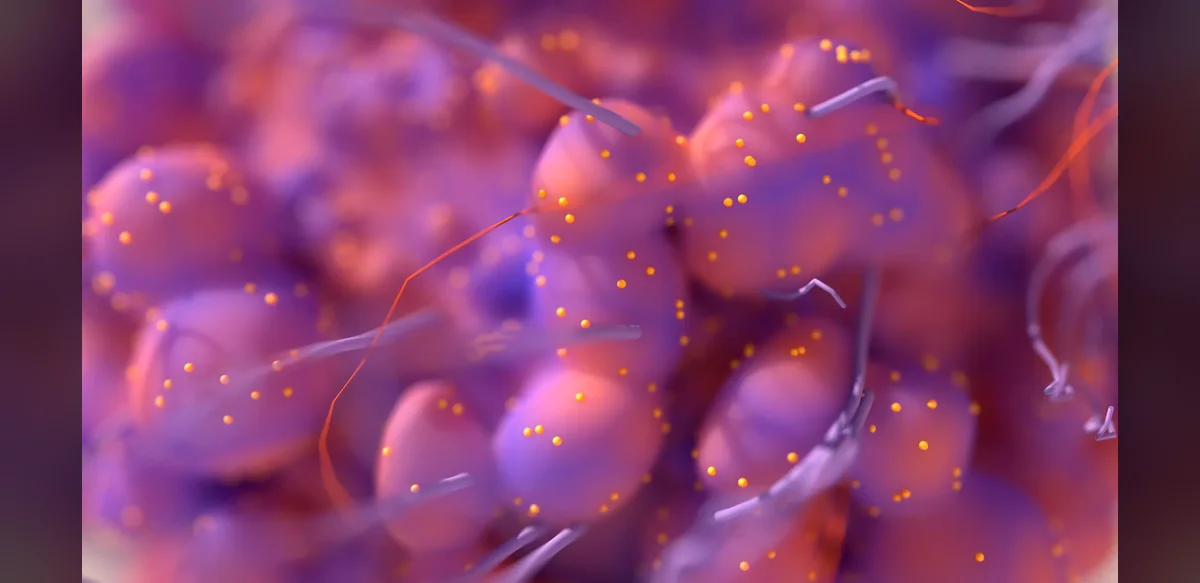
Recent studies have shifted focus toward the presence of bacteria inside tumors, moving beyond traditional views of the tumor microenvironment that emphasize only malignant cells, supportive tissues, blood vessels and immune responses. Researchers now examine how these microbial communities may influence cancer progression, treatment responses and overall patient outcomes.
Detection of bacteria within tumors relies on advanced sequencing technologies and imaging techniques. These methods allow scientists to identify microbial DNA or RNA signatures directly from tumor samples while distinguishing them from external contaminants. Careful controls and sterile protocols remain essential to ensure accurate results.
Evidence suggests that certain bacteria may contribute to tumor growth by modulating inflammation or altering immune cell activity. In some cases, microbes appear to promote resistance to chemotherapy or immunotherapy. Conversely, other bacterial species could enhance anti-tumor responses, opening possibilities for microbiome-based therapies.
The biological relevance of intratumoral bacteria extends to metastasis and tumor metabolism. Microbes may produce metabolites that affect cancer cell behavior or interact with surrounding stromal elements. Ongoing investigations aim to clarify whether these organisms act as drivers or passengers in disease development.
Clinical implications include potential biomarkers for diagnosis and prognosis. Understanding bacterial profiles within specific cancer types could guide personalized treatment strategies. However, translating these findings into reliable medical applications requires larger clinical studies and standardized detection protocols.
Challenges persist in this emerging field, including variability across tumor types and patient populations. Factors such as diet, antibiotics and overall health may shape the intratumoral microbiome. Researchers continue to refine models that separate causal effects from coincidental associations.
Future directions involve exploring targeted interventions, such as engineered bacteria or microbiome modulation, to improve cancer therapies. Collaboration across microbiology, oncology and immunology disciplines will be key to advancing knowledge in this area.
Public health perspectives highlight the need for awareness about microbial influences on cancer without overstating current evidence. Balanced reporting helps maintain realistic expectations while supporting continued scientific inquiry into these complex interactions.


