

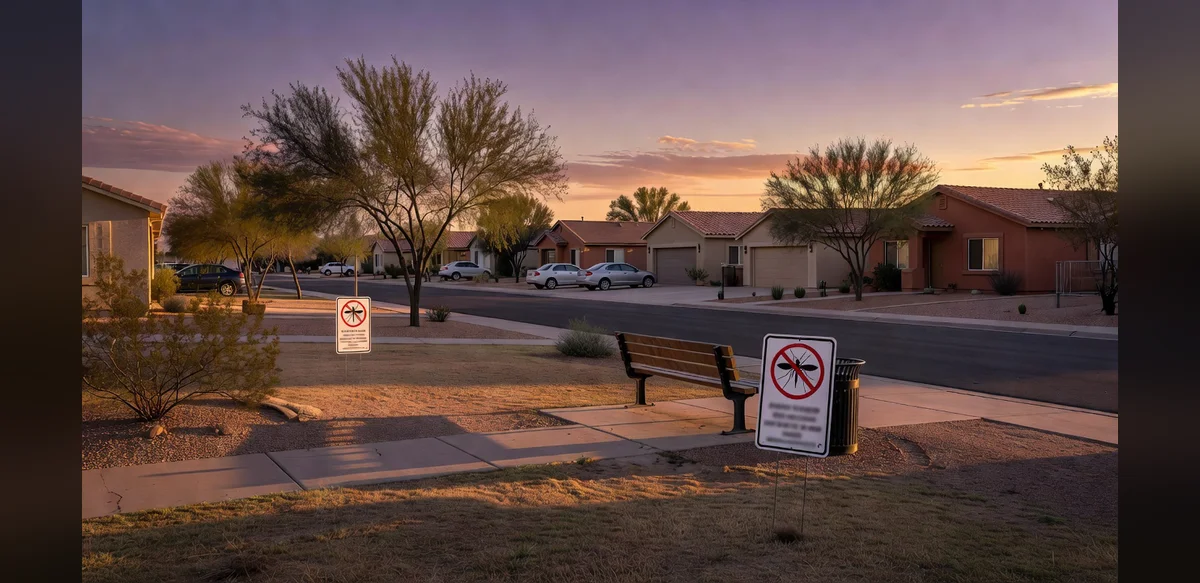
Maricopa County has recorded a notable rise in West Nile virus detections this year, marking a 62.5 percent increase compared with the previous period. Health officials continue to monitor the situation closely while urging residents to take standard precautions against mosquito bites. The virus, transmitted primarily through infected mosquitoes, can lead to serious health complications in certain populations.
Older adults face elevated risks when exposed to the virus. Individuals with underlying health conditions also require extra vigilance. Those with weakened immune systems represent another group that health authorities identify as particularly vulnerable to severe outcomes. Public health messaging emphasizes awareness of these risk factors without causing undue alarm.
West Nile virus activity often peaks during warmer months when mosquito populations thrive. County reports indicate that surveillance efforts have intensified to track new cases and identify potential hotspots. Residents are encouraged to eliminate standing water around homes and use approved repellents when outdoors during peak mosquito hours.
Local health departments provide regular updates on case numbers and prevention strategies. The current increase underscores the importance of community-wide participation in mosquito control measures. Simple actions such as wearing long sleeves and maintaining screens on windows can reduce personal exposure.
Medical professionals advise anyone experiencing symptoms like fever, headache, or body aches after possible mosquito contact to seek evaluation. While many infections remain mild, monitoring remains essential for those in higher-risk categories. Public health resources continue to focus on education and early detection.
The reported rise aligns with broader patterns observed in similar climates where mosquito-borne illnesses fluctuate annually. Officials stress that consistent prevention remains the most effective approach. Community programs distribute information on protecting households and neighborhoods.
Continued surveillance will help determine whether the trend persists or stabilizes in coming weeks. Health agencies collaborate with environmental teams to address breeding sites and apply targeted interventions where needed. Residents play a key role by reporting unusual mosquito activity.
Overall, the situation calls for measured awareness rather than panic. By following established guidelines, individuals can lower their chances of infection. Public health communications will keep the public informed as data evolves throughout the season.


