

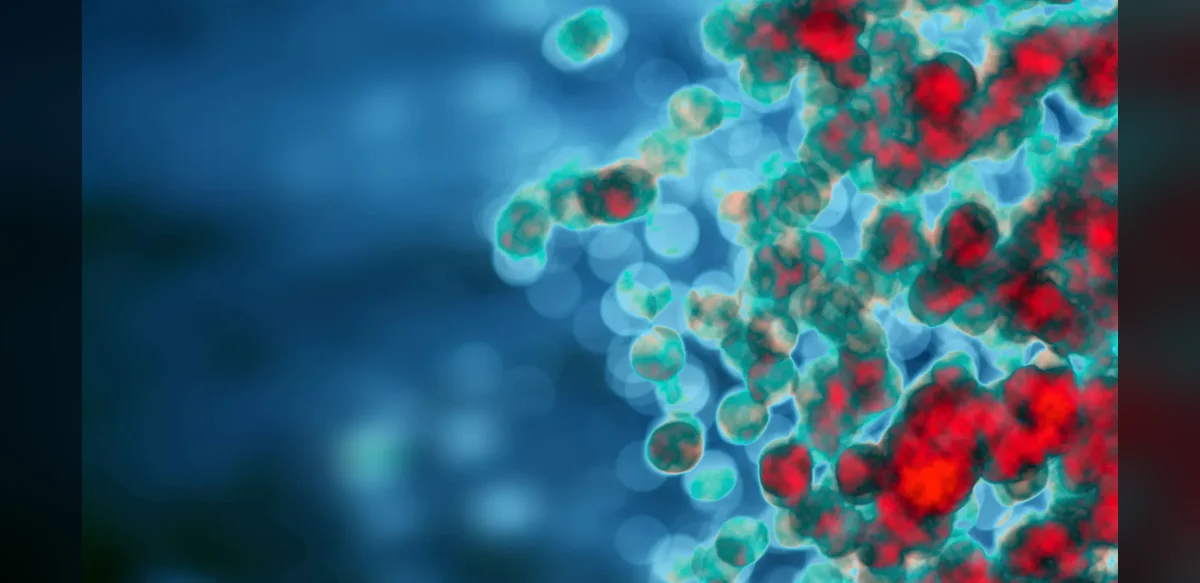
A recent pilot exploratory study has investigated how cancer-associated fibroblasts influence the behavior of neutrophils in the context of cervical cancer. Researchers focused on the tumor microenvironment, where these fibroblasts are known to play regulatory roles. The work provides initial evidence that fibroblasts derived from cervical tumors can alter neutrophil functions in ways that may support tumor progression.
The study highlights the complex cellular interactions within tumors. Neutrophils, typically part of the immune system’s first line of defense, can sometimes adopt protumoral characteristics. In this research, fibroblasts appeared to contribute to such shifts, potentially affecting how the immune system responds to cancer cells.
Conducted as an exploratory project, the investigation involved samples from a limited number of cases. Scientists isolated fibroblasts from cervical cancer tissues and examined their effects on neutrophils in controlled laboratory conditions. Observations suggested changes in neutrophil activity that could promote tumor-supportive environments.
Experts note that understanding these mechanisms may open avenues for future research into the tumor microenvironment. While the findings are preliminary, they add to growing knowledge about how non-cancer cells within tumors can influence disease dynamics.
Further studies with larger sample sizes would be needed to confirm the observations and explore potential implications. The current work serves as an early step in mapping these cellular relationships in cervical cancer.
Overall, the pilot study underscores the importance of examining fibroblast-neutrophil interactions. Continued investigation in this area could contribute to broader insights into cancer biology and immune modulation.


