


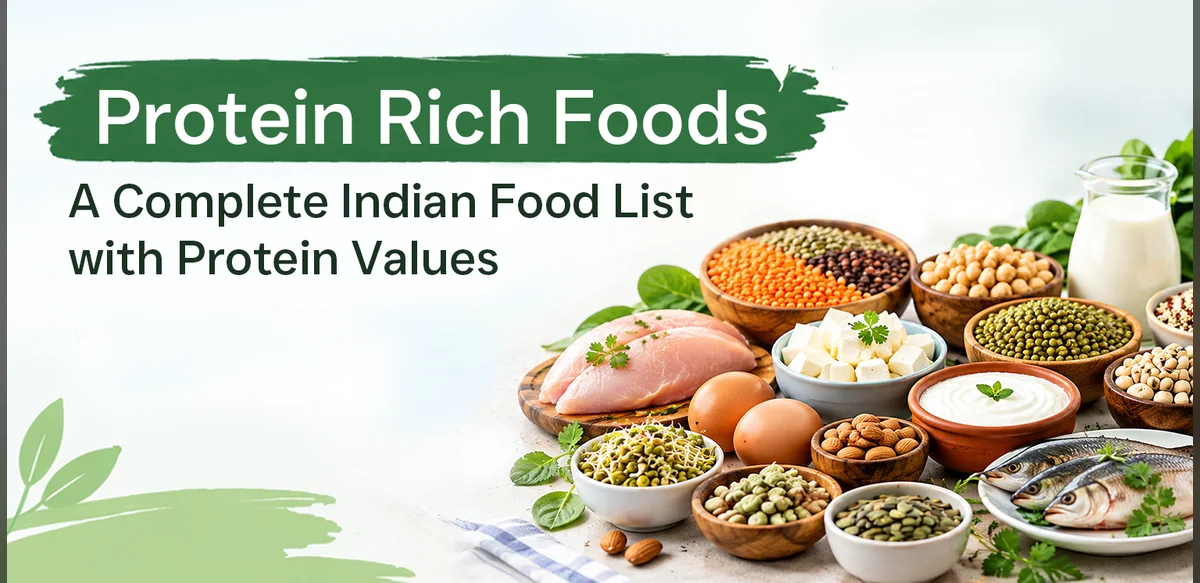
Doctors and nutrition experts often recommend increasing daily protein consumption to support muscle health, energy levels and overall wellness. Many individuals seeking guidance on this topic turn to familiar Indian ingredients that can be easily incorporated into regular meals.
Protein plays a vital role in repairing tissues, producing enzymes and maintaining immune function. When patients receive advice to boost intake, they frequently look for practical options within traditional Indian cuisine rather than relying on supplements.
Lentils and pulses form a cornerstone of Indian diets and provide substantial protein. Cooked lentils offer approximately 9 grams of protein per 100 grams. Varieties such as moong dal, masoor dal and chana dal deliver similar amounts while remaining affordable and versatile for soups, curries and side dishes.
Chickpeas, commonly used in chana masala or salads, contain about 8.9 grams of protein per 100 grams when cooked. Black gram, known as urad dal, provides around 7 grams per 100 grams. These legumes also supply fiber and essential minerals, making them valuable additions to balanced plates.
Dairy products represent another accessible source. Paneer, a fresh Indian cheese, delivers roughly 18 grams of protein per 100 grams. Plain yogurt offers about 3.5 grams per 100 grams, while milk provides 3.2 grams. These items integrate smoothly into both savory and sweet preparations.
Nuts and seeds add concentrated protein along with healthy fats. Almonds contain approximately 21 grams per 100 grams, peanuts offer 26 grams, and roasted chana provides 20 grams. A small handful can enhance snacks or meals without significant volume.
Whole grains contribute moderate protein quantities. Cooked quinoa supplies 4.4 grams per 100 grams, while brown rice offers 2.6 grams. Roti made from whole wheat flour contains about 3.5 grams per 30-gram serving. Combining grains with legumes creates complete protein profiles.
Soy-based foods such as tofu and soya chunks present high-density options. Soya chunks yield around 52 grams of protein per 100 grams when dry, making them efficient for curries and stir-fries. Tofu provides 8 grams per 100 grams and absorbs flavors readily.
Green vegetables like spinach contribute smaller amounts, approximately 2.9 grams per 100 grams, yet add micronutrients when paired with higher-protein items. Eggs, where culturally appropriate, supply 13 grams per 100 grams and serve as quick meal components.
Planning daily intake involves distributing protein across breakfast, lunch and dinner. A typical Indian thali can reach 25 to 30 grams by including dal, curd and a grain. Snacks such as roasted makhana or spiced peanuts add further increments.
Portion awareness matters because excessive calories from any source can affect weight goals. Nutritionists suggest calculating needs based on body weight, activity level and health conditions before making major dietary shifts.
Individuals with specific medical requirements should consult professionals for personalized lists. General guidance emphasizes variety to ensure a broad spectrum of amino acids and nutrients.
Traditional recipes can be adapted by increasing legume portions or adding dairy. Simple changes such as serving extra curd or incorporating soya into vegetable dishes help meet targets without altering cultural preferences.
Monitoring progress through regular check-ups allows adjustments. Blood tests can reveal whether protein levels align with recommendations and whether other nutritional markers remain stable.
Public health messages increasingly highlight balanced Indian diets as sustainable ways to meet protein needs. Resources listing common foods with approximate values assist families in making informed choices at local markets.
Continued education on food composition supports long-term adherence. Community workshops and hospital outreach programs often feature demonstrations using everyday ingredients to illustrate practical applications.
Overall, Indian kitchens already contain numerous protein-rich options that require minimal modification. Thoughtful selection and combination of these foods can fulfill dietary advice effectively and affordably.

