

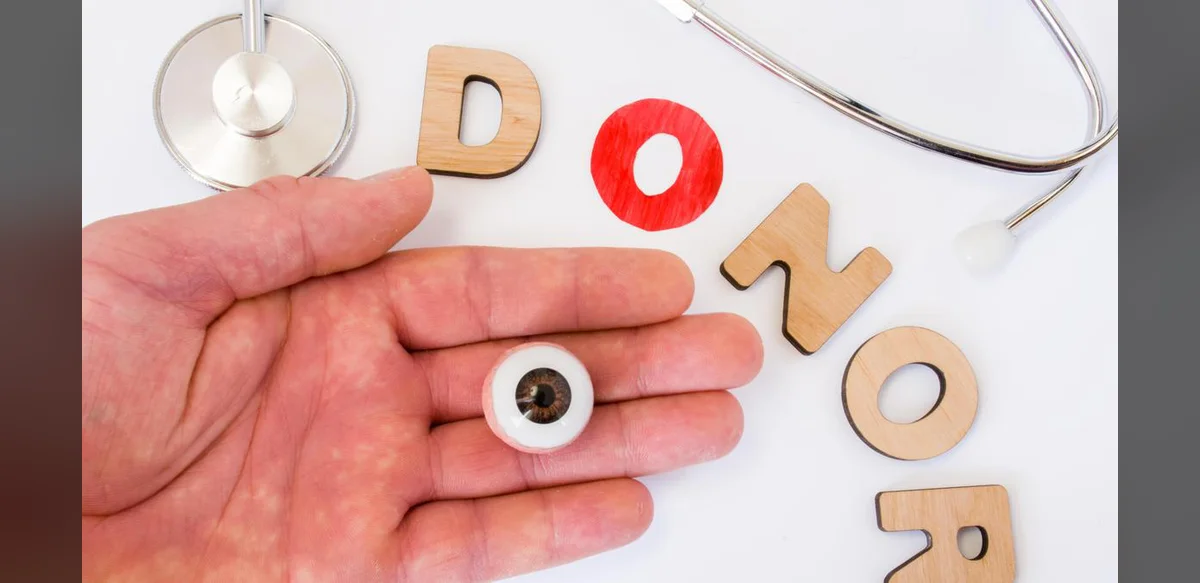
The challenge of utilizing donated corneas effectively remains a significant concern in medical systems worldwide. Statistics indicate that approximately one third of these donations go unused each year due to time constraints and logistical hurdles. Addressing this issue requires focused improvements in several key areas to ensure more successful transplants and better outcomes for patients in need.
One critical factor involves advancements in storage methods. Current techniques rely on specific chemical solutions that preserve tissue viability for limited periods. Enhancing these formulations could extend the usable window, allowing more time for matching and transport without compromising quality. Researchers continue to explore options that maintain cellular integrity longer, potentially reducing waste from expiration.
Hospital procedures also play a vital role in the process. Delays often occur during initial handling and preparation stages after donation. Implementing streamlined protocols can accelerate these steps, ensuring tissues move quickly from donor to storage facilities. Training staff on efficient workflows and reducing administrative bottlenecks would support faster turnaround times overall.
A centralized digital system offers another promising avenue. Such a platform could track available corneas in real time, highlighting those nearing expiration and connecting them with suitable recipients based on location and medical compatibility. By providing instant visibility into supply and demand, this tool would minimize mismatches and enable quicker decisions by medical teams.
Combining these elements creates a more robust framework for cornea donation programs. Better preservation chemistry works alongside improved hospital efficiency and data-driven coordination to tackle underutilization directly. This integrated approach focuses on practical solutions that respect the time-sensitive nature of the donations while maximizing their potential impact.
Implementation would require collaboration among healthcare providers, research institutions, and technology developers. Pilot programs testing these enhancements could demonstrate measurable reductions in waste rates. Over time, scaling successful methods might lead to higher utilization across regions, benefiting more individuals awaiting transplants.
Public awareness efforts could further support these changes by encouraging timely donations and understanding of the processes involved. When combined with technical improvements, such initiatives help build a more reliable system overall. The emphasis remains on preserving the value of each donation through targeted, evidence-based strategies.
Continued evaluation of outcomes would be essential to refine these methods. Monitoring key metrics like utilization rates and processing times allows for adjustments as needed. This ongoing refinement ensures the solutions stay effective in addressing the core problem of wasted donations.
In summary, the path forward lies in optimizing storage, speeding up protocols, and leveraging real-time information systems. These steps collectively aim to lower the proportion of unused corneas and improve access to sight-restoring procedures for patients globally.


