

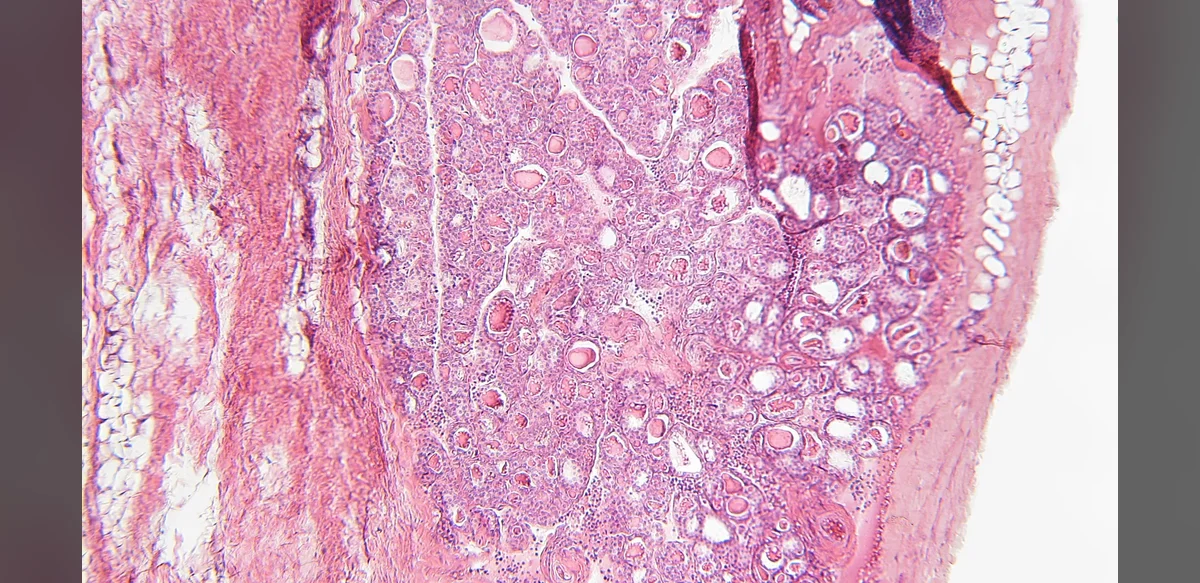
Acromegaly represents an uncommon hormonal condition marked by excessive production of growth hormone over an extended period, most often stemming from a tumor in the pituitary gland. This excess leads to gradual enlargement of bones and tissues throughout the body. Recent investigations have turned attention to a possible heightened susceptibility to colorectal cancer among those affected, with the community of microorganisms residing in the intestines emerging as a key factor under study.
Medical experts note that prolonged elevation of growth hormone can influence various bodily systems, including the gastrointestinal tract. Observations from clinical data suggest that individuals with this disorder may experience changes in intestinal cell behavior, potentially increasing the likelihood of polyp formation or malignant developments in the colon and rectum. The precise mechanisms remain under active exploration, yet the role of intestinal flora appears significant.
The gut microbiota consists of trillions of bacteria and other microbes that aid digestion, support immune function, and maintain overall health. In cases of acromegaly, shifts in hormone levels might alter the composition or activity of these microbes. Such alterations could promote inflammation or produce metabolites that encourage abnormal cell growth in the colorectal region.
Researchers have conducted reviews of existing studies to identify patterns. Findings indicate that patients often show distinct microbial profiles compared to healthy individuals. Certain bacterial groups appear more or less abundant, correlating with markers of cancer risk. These insights open avenues for future diagnostic tools or interventions targeting the microbiome.
Public health implications include the need for enhanced screening protocols for colorectal issues in this patient group. Regular monitoring through colonoscopy or other methods could help detect problems early. Lifestyle factors such as diet may also interact with the condition, influencing microbial balance and potentially mitigating risks.
Ongoing clinical trials aim to clarify these relationships further. By analyzing samples from affected persons, scientists seek to determine whether restoring microbial equilibrium through probiotics or other means could reduce cancer incidence. Such approaches would complement existing treatments focused on controlling hormone levels.
The condition itself requires careful management, typically involving surgery, medication, or radiation to address the underlying tumor. Successful control of growth hormone often improves symptoms and may indirectly affect colorectal health. Nevertheless, residual risks warrant continued vigilance.
Broader medical research continues to link endocrine disorders with gastrointestinal outcomes. This particular focus on microbiota highlights how interconnected body systems can influence disease development. Future publications are expected to provide more detailed data from larger cohorts.
In summary, while acromegaly remains rare, its association with colorectal cancer risk through microbial pathways merits attention from both clinicians and patients. Awareness and proactive care form essential components of effective health strategies in this area.


