

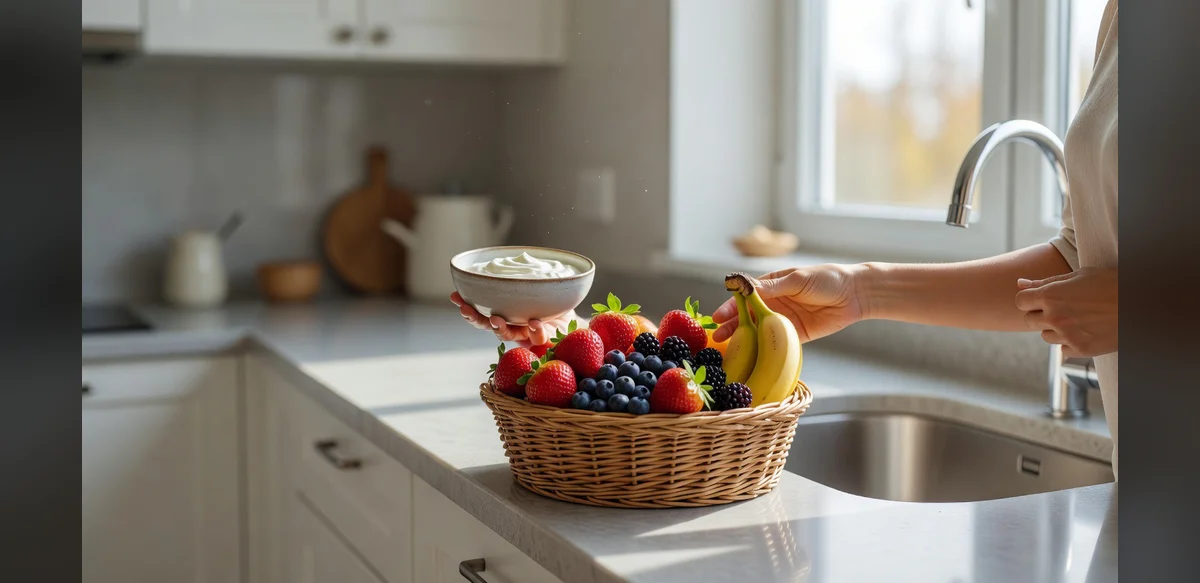
Recent doctoral research conducted in the Netherlands reveals that snacking among young adults frequently includes wholesome options rather than solely indulgent treats. The study examined the habits of millennials and found that items such as fresh fruit, slices of bread, and yogurt commonly appear between regular meals. These findings challenge common assumptions that snacks consist primarily of processed or high-sugar products.
The investigation focused on daily routines and highlighted how participants integrated these selections into their schedules. Data indicated that such choices often aligned with broader efforts to maintain balanced intake throughout the day. Researchers noted that environmental factors, including availability at home or work, played a significant role in determining what individuals reached for during breaks.
Further analysis explored the social and psychological aspects influencing these patterns. Participants reported that convenience and perceived freshness guided many decisions. In several cases, individuals prepared items in advance to ensure quick access during busy periods. This preparation helped reduce reliance on less nutritious alternatives when hunger struck unexpectedly.
The study also considered variations across different times of day. Morning and afternoon intervals showed higher rates of fruit consumption, while evening periods sometimes featured bread-based options. Yogurt appeared consistently across multiple slots, valued for its portability and nutritional profile. These observations suggest that snacking serves practical purposes beyond mere indulgence.
Public health implications arise from these insights. Encouraging environments that support access to fresh produce and dairy products could reinforce positive behaviors already present in certain groups. Educational initiatives might build on existing tendencies rather than attempting to overhaul them entirely. Such approaches could prove more effective in promoting sustained habits.
Limitations of the research include its focus on a specific demographic within one country. Broader studies involving diverse age groups and regions would provide additional context. Nevertheless, the current results offer a foundation for understanding contemporary eating practices and their potential alignment with nutritional goals.
Overall, the work underscores that snacking represents a flexible component of daily nutrition. When guided by available wholesome choices, it can contribute positively without conflicting with main meal structures. Continued attention to these patterns may inform future recommendations aimed at supporting varied lifestyles.


