

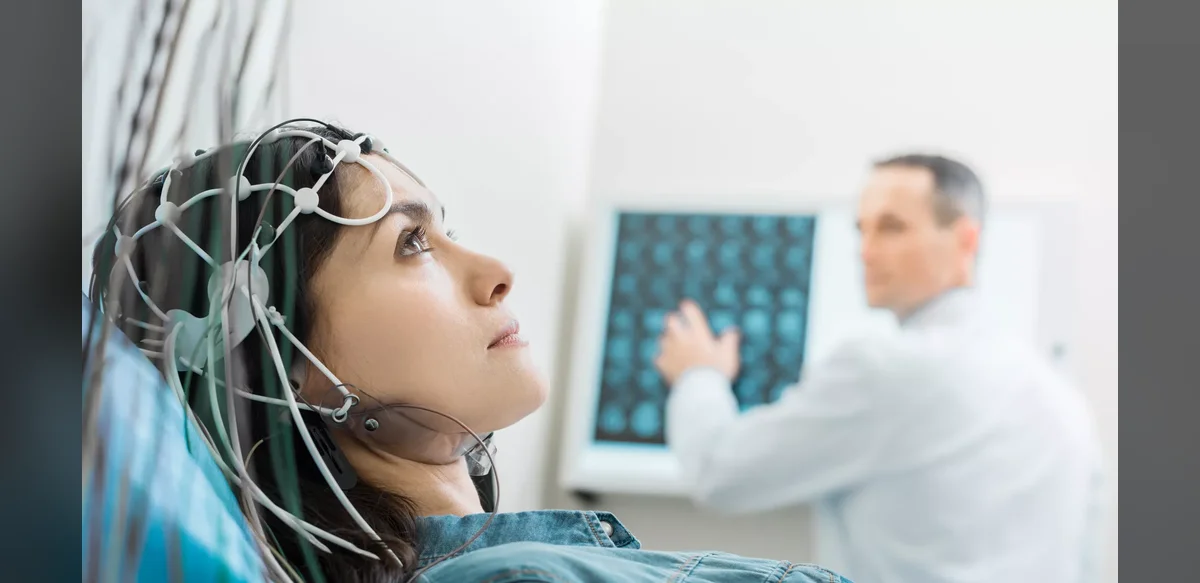
A recent investigation has focused on how functional connections between specific brain areas relate to levels of arousal in patients experiencing disorders of consciousness. Researchers analyzed interactions involving the default mode network and elements of the mesocircuit model to better understand these complex relationships.
The default mode network is known for its role in internal thought processes and self-referential activity during rest. The mesocircuit model, on the other hand, describes pathways that support wakefulness and awareness through structures such as the thalamus and basal ganglia. By examining coupling strength between these systems, the study aimed to identify patterns that correspond with varying degrees of arousal.
Data were collected using functional magnetic resonance imaging from individuals diagnosed with disorders of consciousness. Measures of inter-regional connectivity were then correlated with clinical assessments of arousal. Results indicated that stronger links between certain nodes in the default mode network and mesocircuit components were associated with higher arousal scores.
These findings suggest that communication across these networks may contribute to the regulation of consciousness states. Disruptions in such coupling could help explain why some patients remain in low-arousal conditions while others show partial recovery. The research adds to existing knowledge by highlighting specific inter-network dynamics rather than isolated regional activity.
Clinicians and neuroscientists may find these observations useful when developing targeted interventions. For instance, therapies that enhance connectivity in these pathways could potentially improve outcomes for affected individuals. Further studies are needed to confirm the direction of influence and to explore whether similar patterns appear across different patient groups.
The work underscores the value of network-based approaches in neurology. Traditional views often emphasize single brain structures, yet this analysis demonstrates the importance of coordinated activity among multiple regions. Such perspectives align with broader trends in medical research that prioritize systems-level understanding of brain function.
Limitations of the study include its sample size and the cross-sectional nature of the data. Longitudinal designs could provide additional insight into how connectivity changes over time with recovery or treatment. Additionally, combining imaging with other physiological measures might strengthen future conclusions.
Overall, the investigation offers a foundation for continued exploration of arousal mechanisms in disorders of consciousness. By clarifying the role of inter-regional coupling, it contributes to efforts aimed at improving diagnosis and care for this vulnerable population.


