

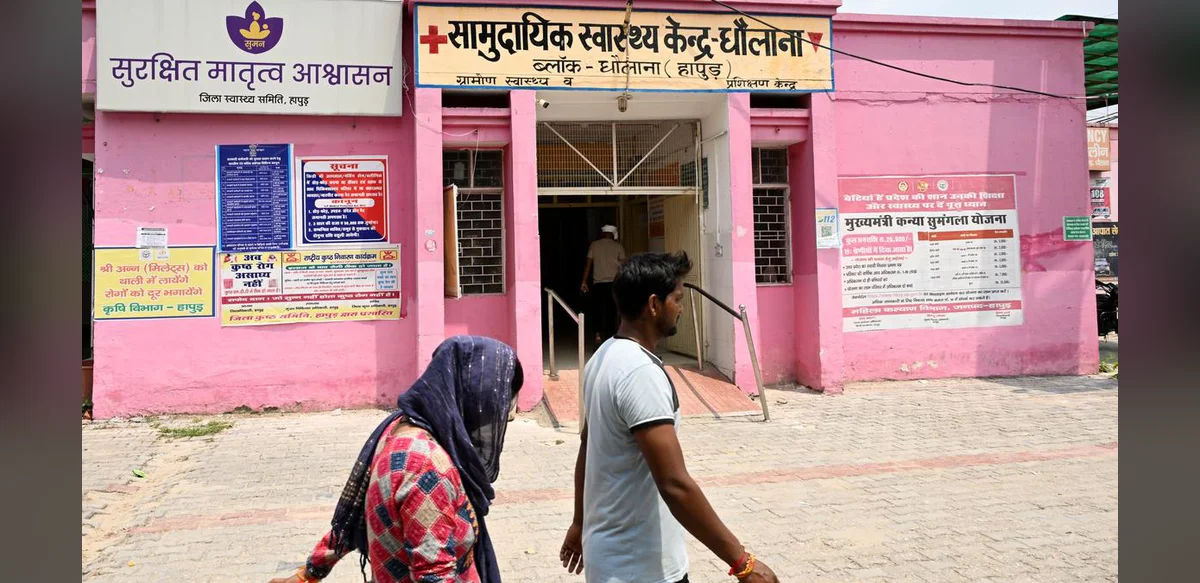
On World Humanitarian Day, attention turns to the core purpose of health systems worldwide. The focus should remain on ensuring that individuals with the least resources gain access to timely, affordable, and respectful services rather than on financial returns.
Health infrastructure exists to serve populations, particularly those facing economic or social barriers. When priorities shift toward revenue generation, gaps in coverage often widen, leaving vulnerable groups without essential support. Observers note that equitable delivery requires consistent investment in public resources and community outreach.
Many regions continue to experience uneven distribution of medical facilities and personnel. Rural areas and low-income urban neighborhoods frequently report longer wait times and higher out-of-pocket costs. These patterns underscore the importance of policies that place universal access above commercial considerations.
World Humanitarian Day serves as a reminder that health outcomes improve when systems emphasize prevention, early intervention, and ongoing support. Programs centered on collective well-being tend to reduce long-term burdens on emergency services and specialized treatment centers.
Stakeholders across sectors agree that sustainable models depend on transparent funding mechanisms and accountability measures. Public oversight helps maintain standards while directing resources toward populations most in need. This approach aligns with broader humanitarian principles that value dignity and fairness.
Training for healthcare workers increasingly includes modules on cultural sensitivity and patient-centered communication. Such preparation supports respectful interactions that build trust and encourage consistent engagement with services. Communities benefit when providers understand local contexts and adapt delivery accordingly.
Data from various monitoring organizations indicate that countries maintaining strong public health frameworks achieve better overall indicators in areas such as infant survival and chronic disease management. These results stem from coordinated efforts rather than isolated market-driven initiatives.
Challenges persist in scaling effective practices across borders and within diverse national contexts. Coordination among governments, international bodies, and local organizations remains essential for sharing knowledge and addressing emerging needs. Collaborative platforms facilitate the exchange of successful strategies without reliance on profit motives.
Public awareness campaigns play a role in highlighting the distinction between health as a service and health as a commodity. Educational efforts encourage citizens to advocate for policies that protect access for all, regardless of ability to pay. Informed populations contribute to stronger demands for accountability.
Future planning must account for demographic shifts, including aging populations and urbanization trends. Investments in primary care networks and integrated support systems offer pathways to maintain quality while controlling costs. Emphasis on these areas supports resilience against unforeseen health events.
Ultimately, the measure of success lies in whether the most marginalized members of society receive appropriate attention. Systems oriented toward public welfare demonstrate greater capacity to fulfill this standard on an ongoing basis.


