

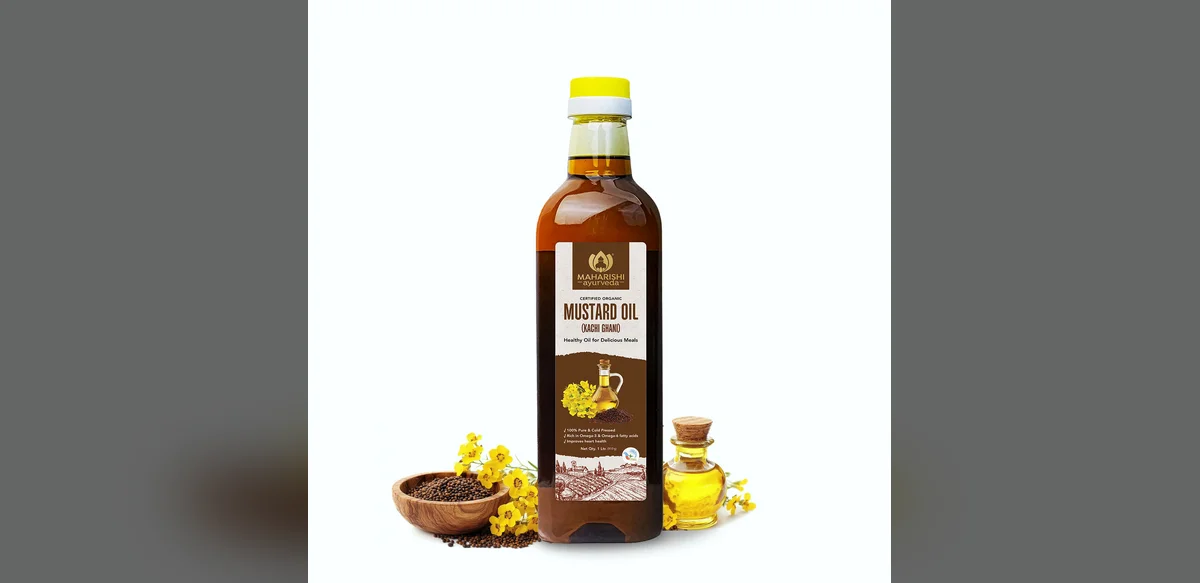
Mustard oil has long been a staple in many Indian households and traditional health practices. Among its varieties, Kachi Ghani mustard oil stands out due to its specific extraction method. This type, often referred to as cold-pressed mustard oil, undergoes a gradual process at lower temperatures to maintain the seed’s inherent taste, scent, and beneficial components.
The term Kachi Ghani combines words indicating raw material and the traditional pressing tool. Extraction typically occurs below 40 to 50 degrees Celsius, avoiding chemical solvents or intense heat that could alter sensitive elements.
This approach differs from refined versions, which involve higher temperatures along with bleaching and deodorizing steps. As a result, the cold-pressed form keeps a more robust aroma and flavor while preserving additional natural compounds such as antioxidants.
Production begins with careful selection of mustard seeds. These are then crushed slowly using wooden, stone, or mechanical equipment. Pressure releases the oil without added high heat. The liquid is subsequently filtered for clarity. Such minimal processing helps retain volatile elements that contribute to the oil’s character.
Nutritionally, the oil provides energy primarily through fats. One tablespoon supplies roughly 120 calories, though values may vary slightly by seed type. It contains mainly monounsaturated and polyunsaturated fats, including oleic acid, omega-3 alpha-linolenic acid, and omega-6 linoleic acid. Additional elements include tocopherols and plant sterols that support its overall profile.
From a traditional perspective, the oil is viewed as warming. This quality is thought to aid digestive processes and balance certain bodily constitutions, particularly those associated with excess moisture or cold. External applications in massage routines are common to promote comfort and local circulation.
In cooking, it suits many regional dishes including tempering, pickling, and light stir-frying. Its moderate smoke point makes it versatile for everyday Indian preparations. Daily intake is generally suggested in modest amounts, around one to two tablespoons, aligned with individual energy needs.
For hair care, the oil is applied to the scalp in warmed form. Sessions last five to ten minutes of massage followed by a waiting period before washing. Frequency of one or two times weekly is typical. It may condition strands and support scalp health, though scientific evidence remains limited beyond traditional reports.
Skin application serves as a moisturizer for dry areas. Its warming effect is valued in body rubs. Caution is advised for sensitive skin through patch testing, and facial use requires care, especially for those with heat-sensitive constitutions. Combining with cooling agents can help moderate its intensity.
Comparisons with other oils highlight distinctions. Refined mustard oil offers milder taste and extended shelf life but fewer retained nutrients. Sunflower oil tends toward higher omega-6 content, while extra virgin olive oil excels in polyphenols for uncooked uses. Cold-pressed mustard oil fits well with flavor profiles common in Indian cuisine.
Potential considerations include moderation to avoid excess calorie intake. Some mustard varieties contain erucic acid, warranting attention for certain health conditions. Topical irritation is possible, so testing is recommended. Individuals who are pregnant or managing cardiovascular issues should consult professionals before therapeutic use.
Overall, this oil connects traditional extraction techniques with everyday applications in food preparation and wellness routines. Its retention of natural fatty acids and antioxidants, combined with Ayurvedic associations of warmth and digestive support, positions it as a distinctive choice for those seeking minimally processed options suited to specific dietary patterns.


