


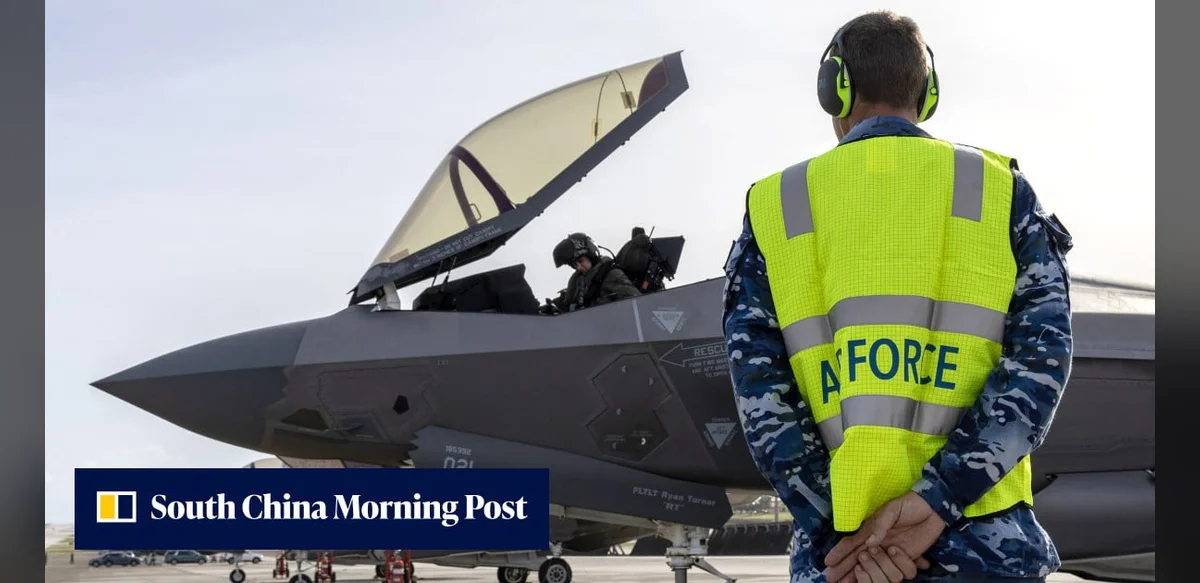
Reports indicate that the United States Congress has begun an inquiry into the possible redirection of sensitive components from the F-35 fighter jet program toward Hong Kong. The investigation centers on missing parts, including canopies from the aircraft, which have raised concerns about the risk of reverse engineering by unauthorized parties. Details surrounding the matter remain limited, with authorities in Hong Kong choosing not to issue any statements on the situation.
The inquiry stems from information suggesting that certain high-value elements intended for the advanced fighter jet have not followed their designated supply paths. Lawmakers are seeking to determine how such components could have been diverted and what measures might prevent similar occurrences in the future. The focus remains strictly on tracing the path of these items and assessing any security implications that could arise from their absence.
Officials involved in the review have noted that the canopies represent critical elements due to their specialized design and materials. Their disappearance has prompted questions about potential vulnerabilities in the logistics chain that supports military aviation programs. While no conclusions have been reached, the process is expected to involve multiple agencies responsible for oversight of defense equipment.
Hong Kong officials have maintained silence on the topic, offering no confirmation or denial regarding any role the city might have played in the handling of the parts. This lack of response has left observers without additional context on local procedures or any inspections that may have occurred. The congressional effort continues to gather available records and testimony to build a clearer picture of events.
The matter highlights ongoing challenges in monitoring the movement of specialized defense technology across international boundaries. Participants in the investigation emphasize the importance of maintaining strict controls to protect proprietary designs and prevent unintended access. Further updates are anticipated as more information is compiled and reviewed by the relevant committees.
Additional background on the F-35 program underscores its role as a major platform in modern air forces, with numerous nations participating in its development and procurement. Any disruption in the supply of components can affect production schedules and operational readiness. The current review aims to identify gaps without assigning blame prematurely.
Stakeholders across the defense sector are monitoring developments closely, recognizing that outcomes could influence future export policies and security protocols. The emphasis stays on factual verification and procedural improvements rather than speculation. As the process unfolds, transparency in reporting will depend on the release of official findings from congressional sources.


