


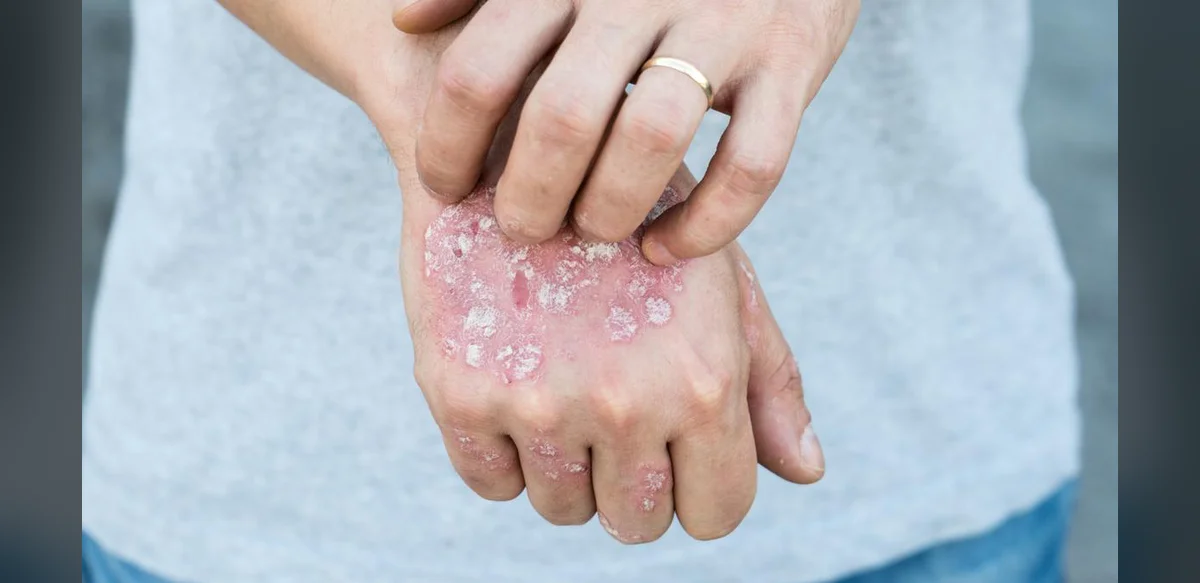
Psoriasis often presents challenges in identification because its appearance can overlap with several other dermatological issues. This similarity means that distinguishing it from conditions such as eczema or fungal infections requires careful observation and sometimes additional testing. Individuals noticing persistent red areas with silvery scales on the elbows knees or scalp should monitor changes closely.
Early recognition plays a key role in managing the condition effectively. When symptoms last more than a few weeks or begin to spread it becomes advisable to consult a healthcare professional. A doctor can evaluate the pattern of the rash consider family history and rule out alternative causes through visual inspection or biopsy if needed.
Many people delay seeking advice assuming the issue will resolve on its own. However prolonged irritation can lead to discomfort and affect daily activities. Medical guidance helps confirm whether the signs point to psoriasis or another concern allowing for appropriate next steps.
Lifestyle factors including stress and certain medications may influence flare ups. Tracking these triggers alongside visible symptoms provides useful information during a consultation. Patients are encouraged to note any joint pain or nail changes as these can accompany skin manifestations.
Routine check ups become important if the condition interferes with sleep or social interactions. Healthcare providers offer support tailored to individual needs focusing on symptom relief and prevention of complications. Awareness of personal risk factors such as prior infections or immune system variations aids in timely intervention.
Public education on common skin presentations reduces unnecessary worry while promoting proactive care. Resources from health organizations emphasize that professional evaluation remains the reliable way to address uncertainties. By understanding when self monitoring should transition to expert review individuals can maintain better overall skin health.
Continued research into diagnostic methods aims to improve accuracy for similar looking ailments. Until then clear communication with medical staff about symptom duration and severity supports accurate assessment. This approach ensures that any underlying issue receives attention without delay.
In summary vigilance combined with professional input forms the foundation for handling uncertain skin changes. Those experiencing ongoing symptoms benefit from arranging an appointment to explore options and gain clarity on their situation.

