

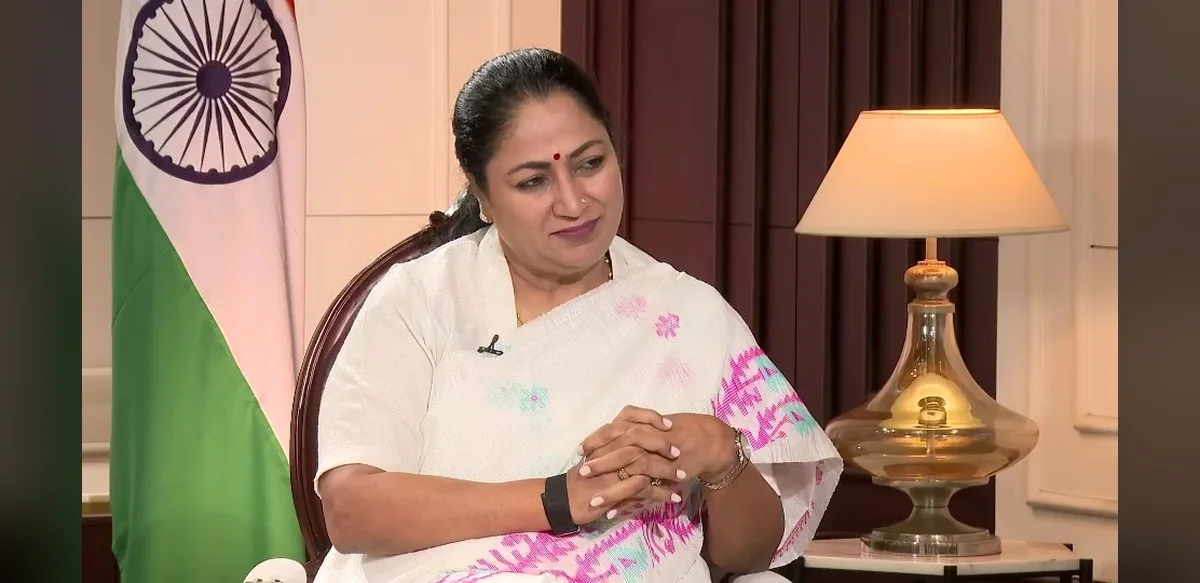
Delhi Chief Minister Rekha Gupta stated on Thursday that the city’s charging facilities are prepared to support the upcoming Electric Vehicle Policy. The administration intends to increase the number of charging points from 9,000 to 32,000 by 2030.
Gupta told India Today TV that the government collaborated with manufacturers and other partners to develop sufficient infrastructure. She assured residents they would encounter no difficulties when charging electric vehicles.
Land for new stations has already been identified despite overlapping ownership among various agencies. The policy was developed over nearly a year through discussions with manufacturers, power companies, housing societies and government bodies.
A single-window clearance process has been introduced to accelerate installations. Delhi Transco Limited will coordinate the rollout, while distribution companies and housing societies will also install chargers.
The policy addresses the full EV ecosystem, covering charging, battery recycling, e-waste handling and future electricity needs. It focuses first on two- and three-wheelers, combining financial incentives with regulatory requirements.
The electricity grid and substations are being upgraded to handle increased demand. Incentives for scrapping older vehicles will be transferred directly to owners via the Direct Benefit Transfer system within 60 days of application.
The package includes roughly Rs 7,000 crore in direct incentives and waivers, part of a larger Rs 15,000 crore support framework. Electric two-wheeler buyers can receive up to Rs 30,000, with an extra Rs 10,000 for scrapping old vehicles, plus exemptions from road tax and registration fees.
From January 2027 only electric autorickshaws will be registered, and new petrol or CNG two-wheelers will be phased out from April 2028. The first 1,000 electric N2-category trucks registered between July and September will gain 24-hour entry into the city.
All new government vehicles, including municipal equipment, will shift toward electric models. The policy was shaped after reviewing successful programmes abroad and in consultation with experts. Delhi is coordinating with the central government, the Commission for Air Quality Management and neighbouring states.
The policy requires final approval from the Lieutenant Governor and is set to take effect on 1 July, remaining valid until 31 March 2030.


