


Iran’s supreme leader remains alive, alert, and involved in governance, though he stays out of the public eye and has reduced visibility in decision-making.
According to a comprehensive account from The New York Times, Mojtaba Khamenei, who succeeded his father following his assassination, suffered severe wounds and now directs affairs from a secret location with restricted communication capabilities.
Four high-ranking Iranian officials knowledgeable about his health stated that while he experienced significant injuries, his mental acuity and participation remain strong.
However, the physical toll is substantial. One leg has required three surgeries, and he awaits an artificial replacement. He has also had operations on a hand and is gradually recovering its use. Notably, severe burns to his face and lips impair his speech, and future reconstructive procedures are anticipated.
These wounds have influenced the exercise of authority at the highest levels.
Since taking office, Khamenei has avoided public appearances or recorded statements. The report indicates this choice stems from a desire to avoid projecting fragility during a pivotal period.
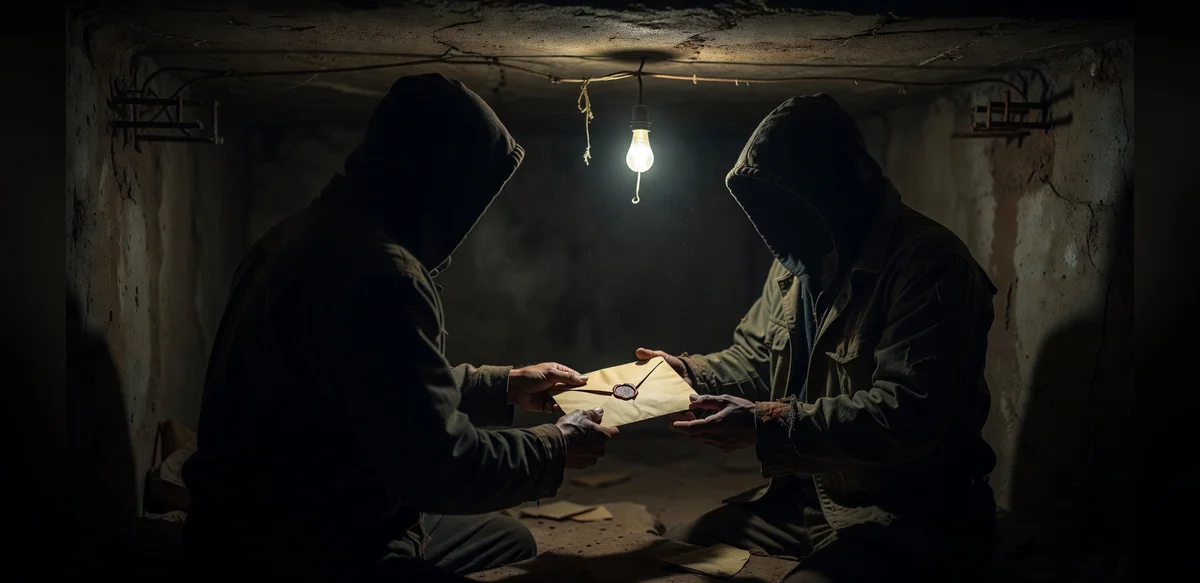
Communications have adopted a secretive approach. Messages to him are written by hand, placed in sealed envelopes, and transported through a relay of vehicles and motorcycles to his secure site. Replies follow the same route.
Even top officials maintain distance, concerned that visits could enable Israel to locate and target him.
As access is limited and interactions delayed, authority has moved significantly toward the armed forces.
The report describes a group of leaders from Iran’s Islamic Revolutionary Guard Corps as the primary influencers in warfare, foreign relations, and security matters.
Abdolreza Davari, a past advisor to former president Mahmoud Ahmadinejad, compared Mojtaba’s role to that of a board chairman, with generals acting as directors who jointly handle choices.
Experts observe this as a departure from the centralized structure under his father, where one individual held final say. Currently, although the supreme leader approves major actions, military leaders drive the process.
Sanam Vakil from Chatham House noted that Mojtaba lacks complete oversight, often receiving decisions already made.
This military ascendancy has altered the political structure in Iran.
Civilian figures, such as President Masoud Pezeshkian and Foreign Minister Abbas Araghchi, have been relegated to secondary roles on key topics, concentrating on internal affairs, per the cited sources.
The change has impacted international relations. Scheduled discussions with the United States failed when military heads rejected talks during a continuing American naval restriction.
Internal debates arose over pursuing dialogue amid escalating U.S. pressure, but the military viewpoint dominated, causing the negotiations to end.
Contrary to U.S. President Donald Trump’s claims of regime overhaul due to the strife, the report suggests Iran’s framework endures, albeit altered.
Authority persists but has relocated.
From a sole commanding presence to a group of experienced military officers, from open addresses to confidential notes, from overt rule to protected isolation—Iran’s command structure is evolving amid challenges.
The current leader holds his position, yet the surrounding system has transformed.

