


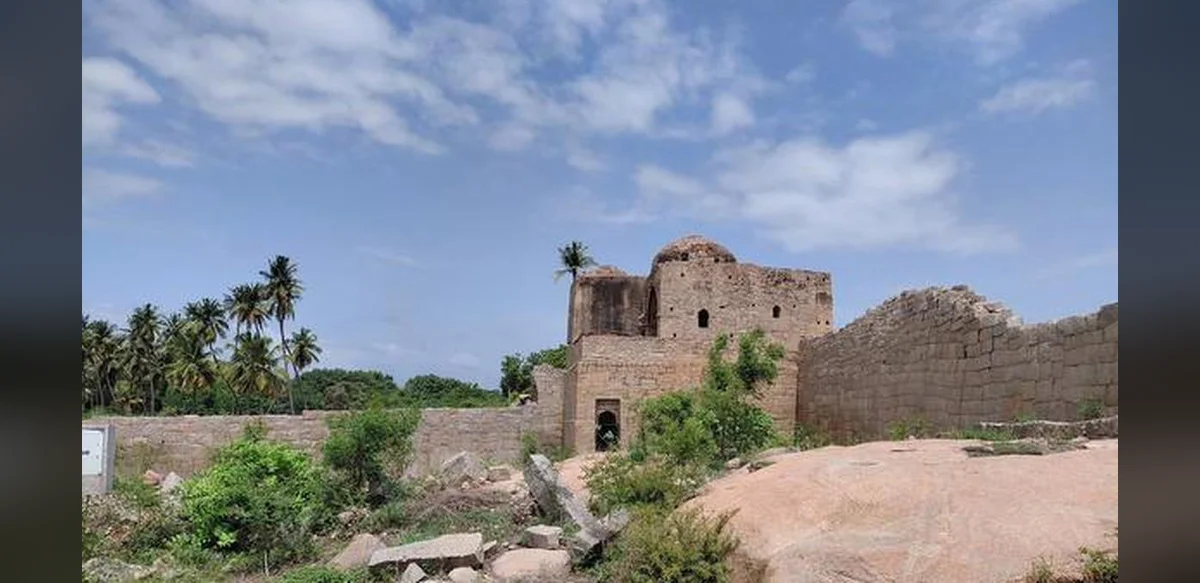
The ancient site of Hampi in southern India contains numerous structures that reflect a diverse historical background. Among the well-known temples and palaces lie several monuments associated with Islamic architectural traditions. These elements suggest that the Vijayanagara kingdom maintained connections across cultural boundaries over many generations.
Hampi served as the capital of the Vijayanagara empire from the fourteenth to the sixteenth century. During this period the region functioned as a major center for trade and administration. Historical records indicate interactions with merchants and envoys from various parts of the subcontinent and beyond. The presence of Islamic monuments supports the view that the empire incorporated influences from multiple communities.
Archaeological surveys have identified tombs, mosques and other buildings constructed in styles typical of Islamic design. These structures stand alongside Hindu temples and civic buildings. Their locations within the urban layout point to integrated settlement patterns rather than isolated enclaves. Scholars note that such coexistence reflects practical arrangements for governance and commerce.
The empire’s rulers engaged in alliances and conflicts with neighboring sultanates. These political dynamics encouraged the exchange of artisans, ideas and building techniques. Evidence from inscriptions and traveler accounts describes the employment of skilled workers from different religious backgrounds. This environment contributed to the development of hybrid architectural forms visible at the site today.
Conservation efforts at Hampi have focused primarily on the larger temple complexes. The Islamic monuments receive comparatively less attention in public narratives. Researchers argue that fuller documentation of these structures would provide a more complete picture of the kingdom’s social composition. Local authorities and heritage organizations continue to catalog these sites for future study.
Visitors to the area can observe the distinct domes, arches and minarets that distinguish the Islamic buildings. Many remain in varying states of preservation. Restoration projects aim to stabilize the structures while respecting original materials and methods. Educational programs at the site increasingly include information about this aspect of the heritage.
The broader context of medieval Indian history shows numerous examples of cultural interaction. Trade routes linked coastal ports with inland capitals, facilitating movement of people and goods. In this setting the Vijayanagara kingdom emerged as a polity that balanced local traditions with external contacts. The monuments at Hampi serve as physical reminders of these processes.
Ongoing research combines field surveys with analysis of historical texts. Historians examine court records and foreign accounts to understand the roles played by different communities. Such studies help clarify how administrative policies accommodated religious diversity. The findings contribute to discussions on the evolution of urban centers in pre-modern India.
Public awareness initiatives seek to present a balanced view of Hampi’s past. Exhibitions and guided tours now reference the Islamic monuments alongside other landmarks. This approach encourages visitors to consider the multiple layers of history embedded in the landscape. Continued attention to these sites supports accurate representation of the empire’s character.
In summary the scattered Islamic monuments at Hampi illustrate the kingdom’s engagement with wider networks of exchange. Recognition of this heritage enriches understanding of the period without altering established facts about the empire’s political and economic activities. Further documentation and preservation work will help maintain these structures for future generations.

