


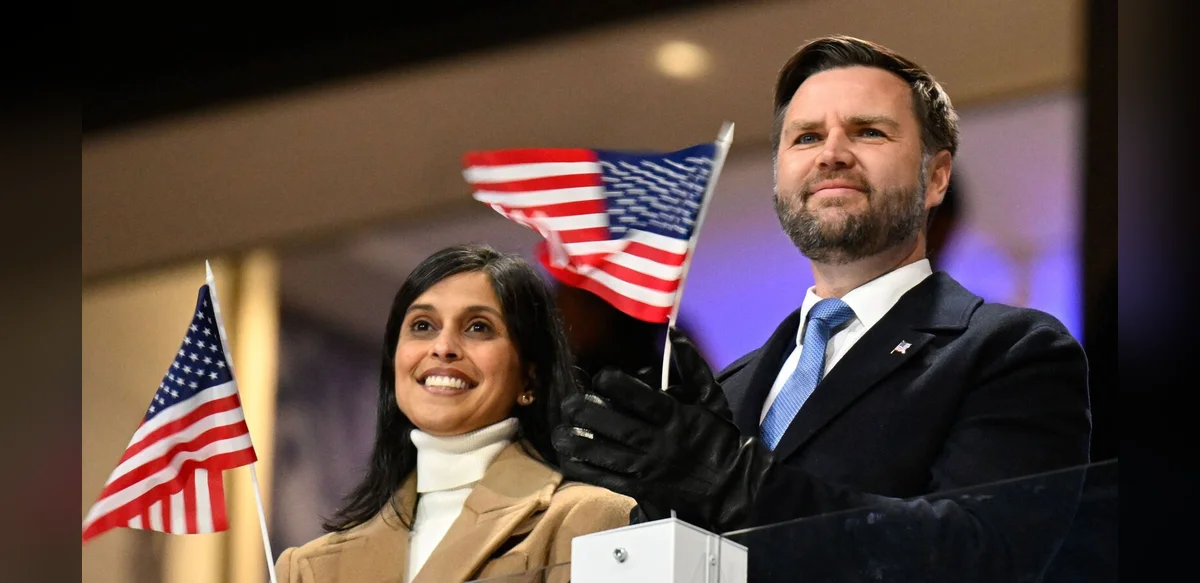
US Vice President JD Vance addressed recent criticism over his comments describing certain visa holders as foreign indentured servants. In his clarification issued on Saturday local time, Vance stated that his choice of words had been imprecise. He emphasized that the intent behind the statement was to criticize American companies and the broader immigration framework rather than the individuals participating in the H-1B program.
The remarks came amid ongoing debates about skilled worker visas and their impact on the domestic labor market. Vance sought to redirect attention toward employers who he believes exploit the system for cost advantages. He reiterated support for legal immigration pathways while calling for reforms that prioritize American workers.
Observers noted that the vice president referenced his personal family connections during the response. He highlighted positive experiences with relatives from India to underscore his stance on cultural integration and legal immigration. This personal note was presented as a way to separate policy critique from any perceived hostility toward immigrant communities.
The clarification did not introduce new policy proposals but aimed to refine the earlier message. Vance maintained that companies bear responsibility for how visa programs are utilized. He avoided naming specific firms or individuals in the updated remarks.
Public reaction to the initial statement had included concerns from advocacy groups focused on immigration and technology sectors. The follow-up comments were intended to mitigate those concerns by narrowing the scope of criticism. Vance stressed that the focus remains on systemic issues rather than on visa recipients themselves.
In broader context, discussions around H-1B visas have persisted across multiple administrations. Proponents argue the program fills critical skill gaps in technology and engineering fields. Critics contend it can suppress wages and limit opportunities for domestic graduates. Vance positioned his comments within this longstanding policy tension without altering his core position on the need for oversight.
The vice president did not schedule additional public statements on the topic immediately following the clarification. Staff indicated that future remarks would continue to emphasize corporate accountability. The episode illustrates the challenges of communicating nuanced views on immigration in a polarized environment.
Analysts suggest the response reflects an effort to balance restrictionist rhetoric with recognition of legal immigration benefits. By invoking family ties, Vance attempted to humanize the debate while sustaining pressure on employers. The approach mirrors similar strategies used by other officials navigating complex workforce policy issues.
No legislative action was announced in connection with the remarks. The clarification stands as a restatement of existing views rather than a shift in direction. Observers will monitor whether subsequent speeches expand on the themes of corporate responsibility and visa program integrity.
Overall the episode underscores the sensitivity surrounding immigration terminology in political discourse. Precise language remains essential when addressing programs that affect thousands of workers and multiple industries. Vance’s updated comments sought to provide that precision while preserving the original policy critique.

