

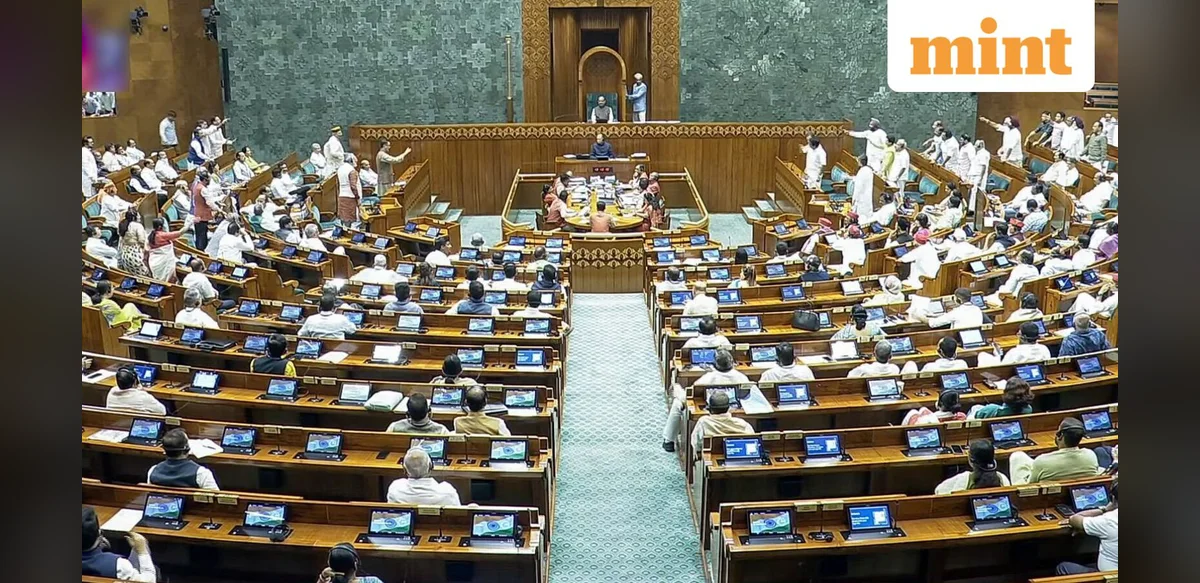
The Lok Sabha on Wednesday approved legislation amending a 2024 statute to strengthen measures against exam malpractices. The changes increase penalties, require investigations and trials within set time limits, and establish special fast-track courts for quick case resolution.
The Public Examinations (Prevention of Unfair Means) Amendment Bill, 2026 follows widespread student demonstrations over reported exam irregularities, which led to the education minister’s resignation last week.
The measure updates the 2024 Act aimed at preventing unfair practices in exams held by designated central bodies. Its objectives include improving fairness, boosting public trust in the examination system, and ensuring prompt probes and verdicts. It references the cancellation and re-holding of the NEET-UG 2026 test for medical admissions due to a paper leak.
Penalties have been raised substantially. Individuals using unfair means now face five to ten years in prison, up from three to five years, with fines increased to a maximum of ₹50 lakh from ₹10 lakh.
Service providers face higher maximum fines of ₹5 crore, up from ₹1 crore. Their directors and senior staff risk five to ten years imprisonment instead of three to ten years.
Organised crime penalties are stricter, with minimum jail time raised to seven years from five and minimum fines to ₹10 crore from ₹1 crore. The debarment period for guilty providers doubles to eight years.
The bill now moves to the Rajya Sabha. If passed unchanged, it goes to the President for approval and becomes law upon assent, with provisions effective immediately or from a notified date.
The action follows the Prime Minister’s recent video address to protesters, promising stronger anti-leak measures in the current parliamentary session.
A minister stated the amendments show commitment to protecting students’ futures and preserving merit, transparency, and credibility in public exams.
The 2024 law applies to tests by UPSC, SSC, RRBs, IBPS, NTA and central ministries.


