

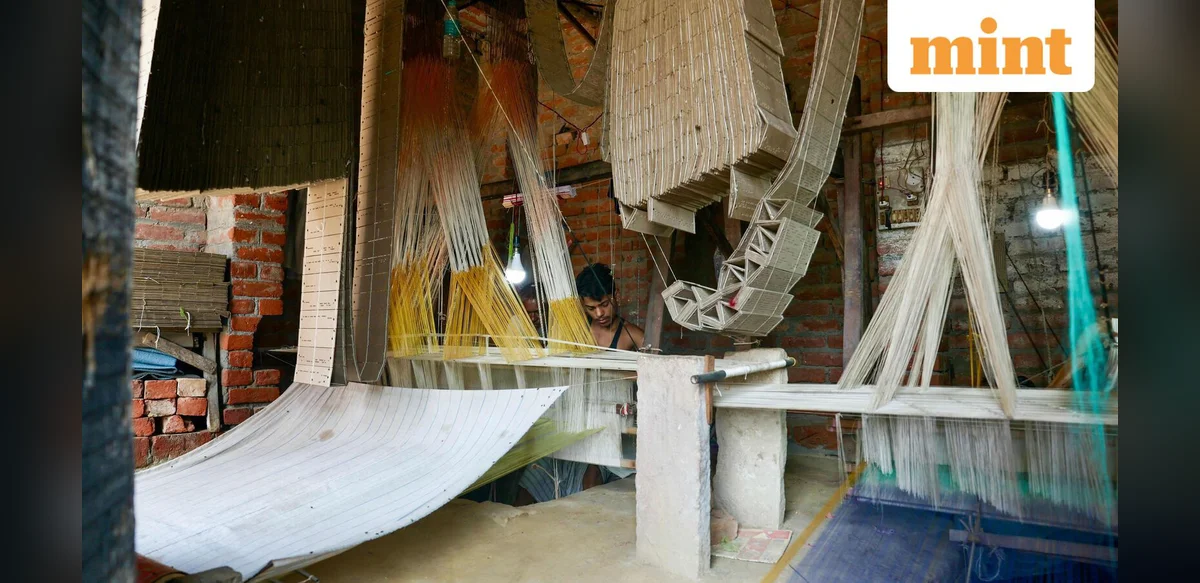
India observes National Handloom Day on 7 August to honor the country’s handloom heritage and the skills of 35.22 lakh weavers and allied workers, 72 percent of whom are women. First marked in 2015, the day commemorates the Swadeshi Movement launched on 7 August 1905 to support local industries. Handloom practices trace back to the Indus Valley Civilisation and appear in ancient texts including the Rigveda, Ramayana and Mahabharata.
Regional traditions have preserved and adapted weaving techniques across generations, contributing to the socio-economic and cultural life of many communities. Prime Minister Narendra Modi noted on social media that the occasion celebrates India’s handloom legacy and salutes the skill and dedication of weavers who sustain these practices. He stated that the government will continue supporting the sector as a key element of rural empowerment, women-led development and self-reliant growth.
Support programmes such as the National Handloom Development Programme and Raw Material Supply Scheme provide operational assistance. The Union Budget 2026-27 introduced measures including the National Fibre Scheme, National Handloom and Handicraft Programme, Textile Expansion and Employment Scheme and Mahatma Gandhi Gram Swaraj Initiative to improve market access, training and production quality. The Handlooms Act, 1985, reserves eleven textile articles for handloom production to protect artisans from competition with powerlooms and mills.


