

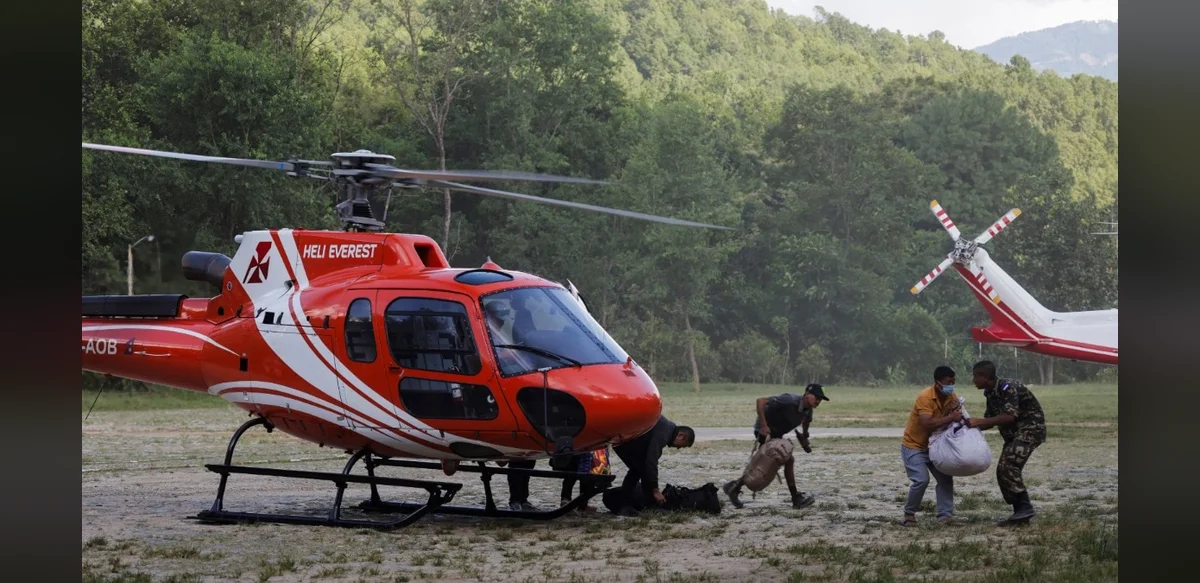
Nepal has decided to accept foreign assistance for flood rescue operations after initially declining outside help. The change allows teams from India and China to participate in search and recovery efforts following severe flooding.
The floods have caused significant disruption in several areas, prompting authorities to reassess their approach to emergency response. Officials determined that additional support would improve the effectiveness of ongoing operations.
India and China have both been invited to send specialized personnel and equipment. This move comes as rescue workers continue to face difficult conditions in affected regions.
The decision reflects a pragmatic adjustment to the scale of the disaster. Local resources alone proved insufficient for the demands of the situation.
Coordination between the involved countries is expected to focus on locating missing individuals and providing necessary aid. All activities will proceed under the direction of Nepalese authorities.
Observers note that such cross-border cooperation can enhance response times during large-scale emergencies. The emphasis remains on efficient and organized relief measures.
Further updates on the progress of the rescue missions are anticipated as teams begin their work. The priority continues to be the safety and recovery of those impacted by the floods.
This development highlights the challenges governments face when managing natural disasters that exceed initial expectations. Nepal’s revised policy aims to address immediate needs more comprehensively.
Details regarding the number of personnel and specific equipment involved have not yet been disclosed. The focus stays on the collaborative nature of the effort.
Overall, the acceptance of international teams marks a shift toward broader participation in the rescue process. Authorities are working to ensure smooth integration of the arriving support.
The situation remains fluid, with ongoing assessments guiding further actions. All parties involved are committed to the success of the joint operations.
Additional context on the flooding event shows it resulted from prolonged heavy rainfall across multiple districts. This led to widespread water accumulation and related hazards.
Response strategies now incorporate the newly approved foreign contributions alongside domestic teams. The goal is to cover more ground in the search efforts.
Public communication from officials stresses the importance of unity in addressing the crisis. Updates will be provided as new information becomes available.
In summary, Nepal’s policy adjustment facilitates greater resources for flood rescue. The involvement of teams from neighboring countries is intended to strengthen overall capabilities without altering local command structures.


