

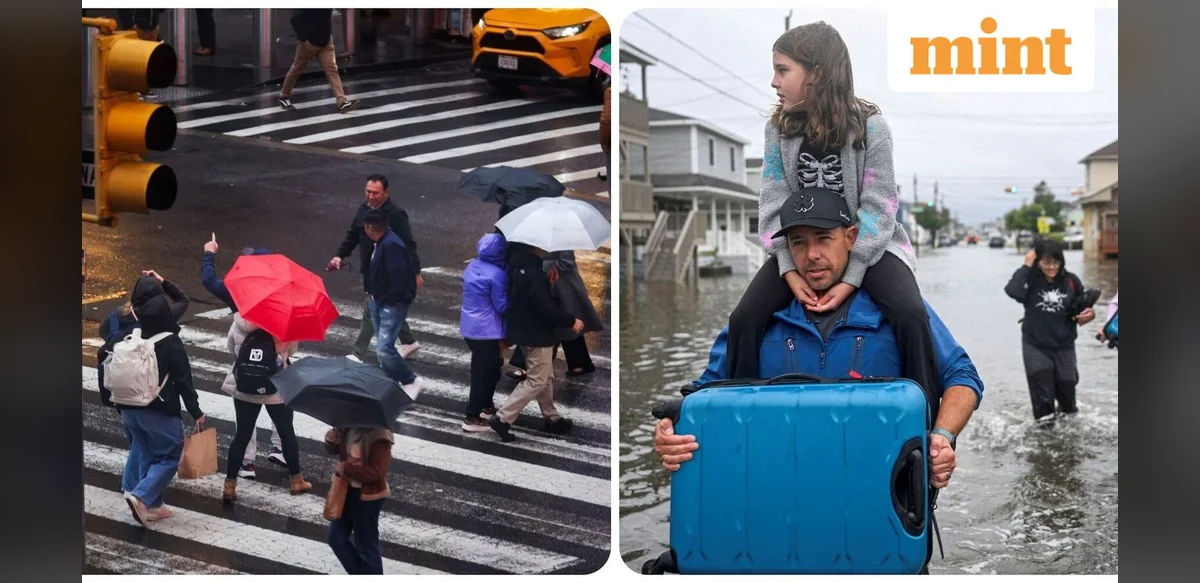
A powerful Nor’easter has struck several major cities in the northeastern United States, resulting in one reported death along with hundreds of cancelled flights and damage to power infrastructure. New York, Boston and Philadelphia faced the brunt of the weather system, which is named for its characteristic northeasterly wind direction. Officials issued alerts regarding possible severe flooding and the need for road closures in affected zones.
The storm developed rapidly and brought sustained high winds combined with heavy precipitation. These conditions led to immediate operational challenges at airports serving the region, forcing airlines to cancel numerous departures and arrivals. Travelers encountered significant delays and were advised to check flight status frequently before heading to terminals.
Utility companies reported multiple incidents of power line damage caused by falling trees and debris carried by the strong gusts. Crews were deployed to restore service, though restoration timelines varied depending on the extent of the impact in each locality. Residents in vulnerable areas were urged to prepare for possible outages lasting several hours or longer.
Local authorities coordinated emergency responses to monitor water levels along rivers and coastal zones. Evacuation notices were considered for low-lying neighborhoods where flooding risk appeared highest. Road maintenance teams worked to clear debris and close sections deemed unsafe for vehicles.
Meteorological services continued to track the storm’s path and intensity, providing regular updates to the public. The combination of wind and rain created hazardous travel conditions both on the ground and in the air. Safety recommendations included avoiding unnecessary trips and securing outdoor items that could become projectiles.
The event highlighted the challenges posed by seasonal weather patterns in the northeast. Communities affected by the Nor’easter began assessing initial damage while awaiting further information from government agencies. Recovery efforts are expected to focus first on restoring essential services and clearing transportation routes.
Additional details may emerge as assessments continue in the coming days. The situation remains fluid, with ongoing monitoring by relevant agencies to ensure public safety throughout the impacted states.


