

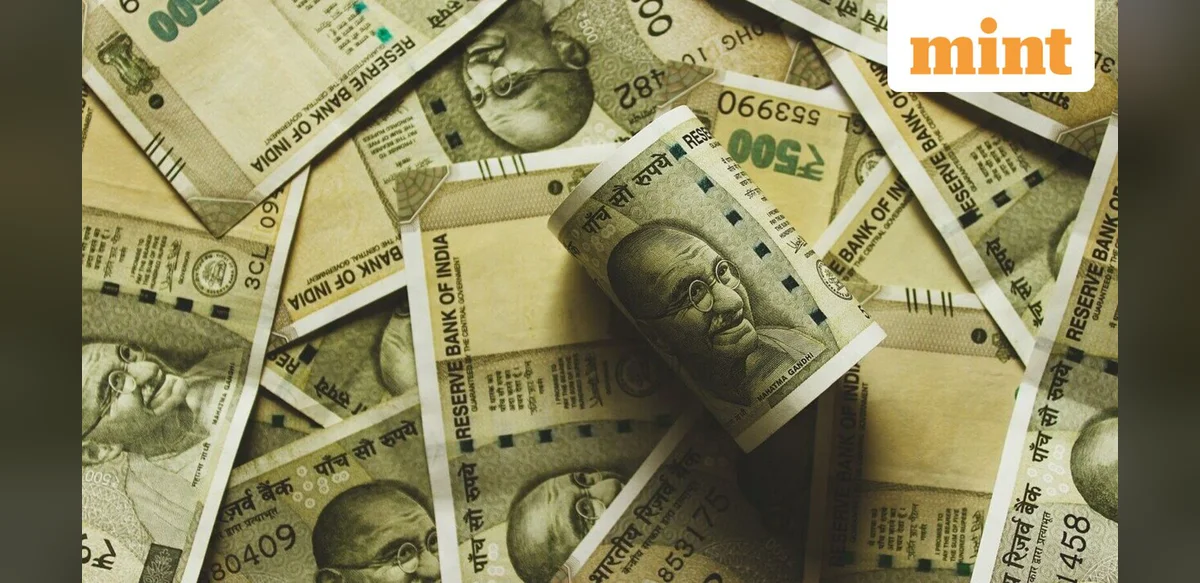
The Reserve Bank of India is running a pilot study to evaluate polymer banknotes under local climate and infrastructure conditions. The objective is to begin issuing them from the start of fiscal year 2027-28, the governor stated during the August monetary policy announcement. The pilot will determine performance before any decision on wider use, with possible adjustments if required. Polymer notes are produced from plastic and include advanced security elements such as transparent windows, micro-optic holograms and special inks that raise resistance to counterfeiting. Roughly sixty countries already use them, among them Australia, Canada, the United Kingdom, New Zealand, Singapore, Vietnam, Malaysia and Mexico. The material extends note lifespan by three to four times compared with paper, making it especially useful for frequently handled lower denominations such as ten and twenty rupees. On 17 July the note printing subsidiary invited global bids for 68,000 reams of biaxially oriented polypropylene substrate carrying multiple security features. The tender remains open until 18 August 2026. Printing expenses declined 23.5 percent to 4,875 crore rupees in 2025-26, while the total value of notes in circulation rose 11.8 percent to 41.23 trillion rupees by March 2026. Plans for 2026-27 include further security upgrades and improved substrates under the Utkarsh 2029 programme.


