


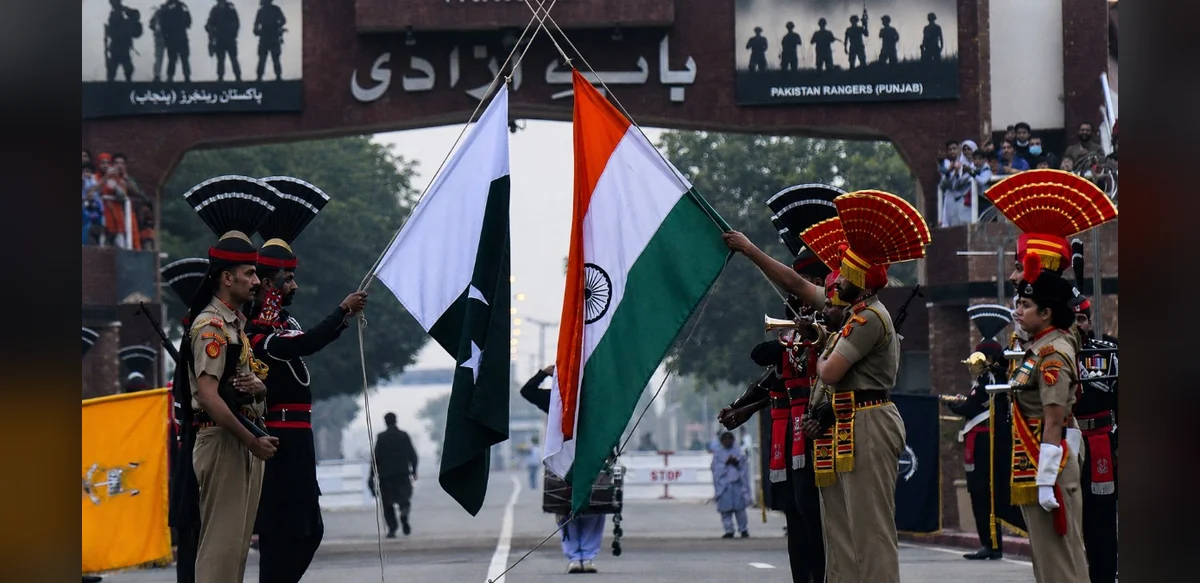
Following attacks by militants that killed civilians in Pahalgam, Jammu and Kashmir, in April 2025, India conducted strikes on militant facilities in Pakistan and Pakistan-occupied areas in May. Relations between the two nations, already strained, worsened further. Only the military operations hotline stayed active. Recent reports indicate possible backchannel communications.
No formal government-level talks have occurred, yet some unofficial contacts may have taken place since late 2025. Newer accounts point to meetings involving retired defense personnel and individuals linked to ruling circles in Colombo during a security conference.
One Pakistani publication described the Colombo discussions as track-1.5, implying serving officials participated alongside retirees. Track-1 denotes official government exchanges, while track-2 involves civilian interactions. Track-1.5 combines elements of both.
Some accounts named participants, though one individual dismissed the reports as inaccurate and denied any track-2 process.
Pakistan had reduced ties after India ended special status for Jammu and Kashmir in 2019. The situation froze further after the Pahalgam incident, halting trade and diplomatic exchanges.
The impasse affects India’s airspace access over Pakistan, but Pakistan faces greater economic pressure. India has suspended the Indus Water Treaty, noting that blood and water cannot flow together, impacting Pakistan’s agriculture and energy sectors.
A Pakistan-based newspaper reported that serving officials held track-1.5 talks with former diplomats, military retirees, and politicians present. The meetings occurred alongside an annual South Asia security dialogue in Colombo organized by a London-based institute.
The same report noted a senior politician from Pakistan’s ruling coalition joined the discussions. Another Indian outlet described the event as track-2 only, with no active Indian officials involved.
Indian participants reportedly included a former BJP official, a retired army chief, and a former diplomat. The Pakistani side featured a serving foreign ministry official, a former senator, and a retired general. A U.S. official attended a dinner.
Sri Lankan coverage indicated the goal was improving crisis communication and preventing escalation.
The former BJP official rejected claims of bilateral track-2 talks, stating the event was a broader regional forum attended by experts from multiple countries including India, Sri Lanka, the U.S., the U.K., Afghanistan, and Pakistan. He called the reports a misrepresentation of a routine conference.

