

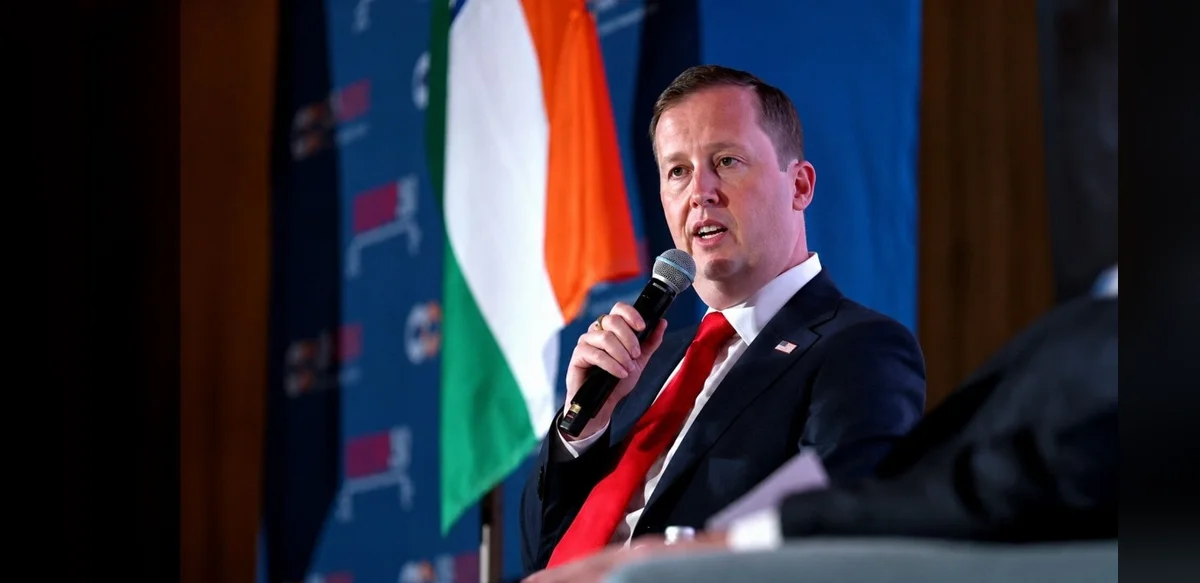
In recent statements, Sergio Gor has drawn attention to the strong partnership between India and the United States. He noted that several countries appear envious of the close ties shared by the two nations. According to Gor, Prime Minister Narendra Modi stands out as a key figure whom former President Donald Trump seeks to engage with directly.
The remarks come amid ongoing discussions about bilateral cooperation in various fields. Gor emphasized that the relationship has grown significantly over the years, fostering mutual benefits in trade, security, and technology. This development has reportedly prompted reactions from other global players who view the alliance with interest.
Observers suggest that such partnerships often influence regional dynamics and international policies. Gor’s comments underscore the priority placed on personal diplomacy between leaders. He described Modi as a prominent leader on the world stage, particularly in the context of engagements with American counterparts.
India and the United States have collaborated on multiple initiatives, including defense agreements and economic dialogues. These efforts aim to address shared challenges such as supply chain resilience and innovation. The positive trajectory of these relations continues to attract attention from diplomatic circles worldwide.
Analysts point out that personal connections between heads of state can accelerate progress on key issues. Gor’s assessment reflects a broader recognition of Modi’s role in shaping these interactions. Trump has previously expressed admiration for the Indian leader during public addresses and meetings.
The statement also touches on perceptions of competition among nations. Some countries may feel sidelined as India strengthens its position through strategic alliances. This dynamic highlights the complexities of modern geopolitics where partnerships evolve rapidly.
Further details from Gor indicate that future meetings could build on existing foundations. Both sides have shown commitment to expanding areas of collaboration. Such developments are expected to contribute to stability and growth in the Indo-Pacific region.
Public reactions to these comments have been measured, with many focusing on the potential for enhanced cooperation. Experts recommend continued dialogue to navigate any arising concerns from third parties. The emphasis remains on constructive outcomes for all involved.
In summary, Gor’s observations provide insight into the current state of India-US relations. They affirm Modi’s stature as a leader sought after for high-level talks. As ties deepen, the focus stays on mutual respect and shared objectives.
Additional context reveals that similar sentiments have been echoed in past diplomatic exchanges. The evolution of this relationship dates back several decades but has accelerated recently. Factors such as economic reforms and global events have played a role in bringing the nations closer.
Looking ahead, both governments are likely to pursue further engagements. These could include visits, summits, and joint projects. Gor’s perspective serves as a reminder of the value placed on these connections by key figures.
The broader implications involve opportunities for cultural and educational exchanges as well. Citizens from both countries stand to gain from increased people-to-people contacts. This aspect complements the official-level interactions highlighted in the remarks.
Overall, the narrative presented by Gor paints a picture of a robust and admired partnership. It positions India as an important player in global affairs through its leadership. Continued attention to these ties will be essential for sustaining momentum.


