


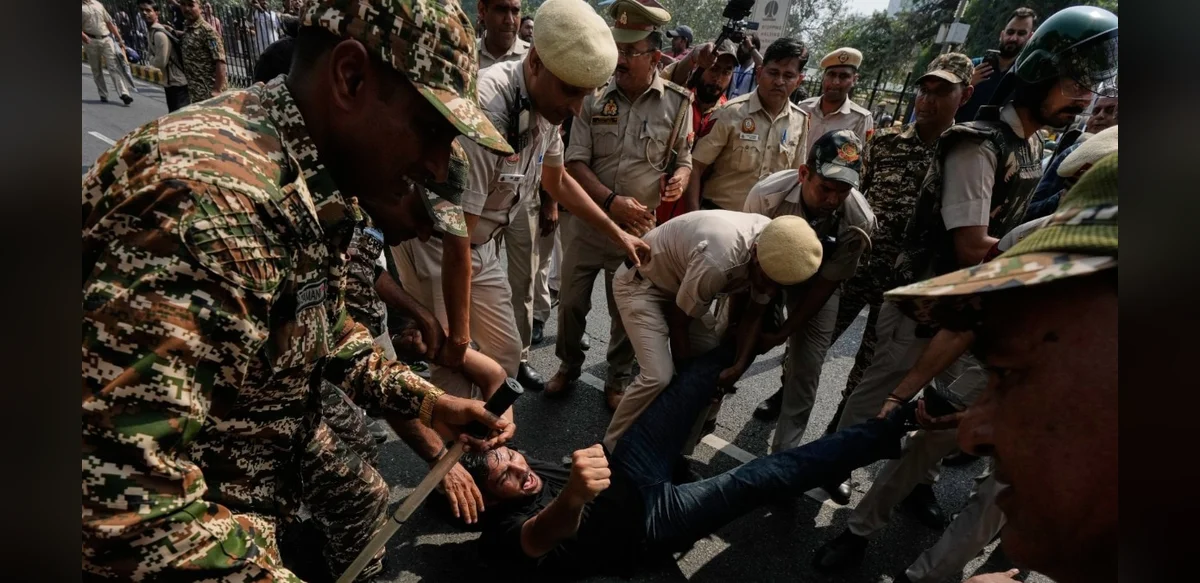
The Supreme Court has delivered a significant directive emphasizing that individuals participating in peaceful assemblies must not face illegal detention. This ruling comes amid ongoing discussions regarding law enforcement actions during public demonstrations in the national capital.
In its order, the court highlighted the constitutional protections afforded to citizens exercising their right to assemble peacefully. Justices stressed that any form of arbitrary or unlawful holding of protesters violates fundamental rights enshrined in the Constitution. The bench sought detailed responses from government authorities on allegations of detentions that occurred without proper legal basis during recent protests.
Legal experts note that this development reinforces the importance of due process in handling public order situations. The court has scheduled further hearings to examine specific instances where complaints of overreach have been raised. Authorities have been directed to provide comprehensive reports outlining the circumstances under which individuals were taken into custody.
Observers point out that the order serves as a reminder to law enforcement agencies about maintaining proportionality when managing gatherings. Peaceful protests form a vital part of democratic expression, and the judiciary appears keen to ensure that such activities are not unduly restricted. The matter involves multiple stakeholders, including civil society groups that have petitioned the court regarding reported incidents.
The proceedings reflect broader conversations around balancing security concerns with individual liberties. Government representatives are expected to clarify policies and operational guidelines followed during the events in question. The court has indicated that it will review all submissions carefully before issuing any further directions.
This case underscores the role of the judiciary in safeguarding democratic norms. As the hearings progress, additional details are anticipated regarding the scope of the investigations into the alleged detentions. The emphasis remains on ensuring accountability and adherence to legal standards across all levels of administration.
Public interest in the outcome remains high, given the implications for future protest management and civil liberties. The Supreme Court’s intervention aims to establish clearer boundaries for authorities while protecting the rights of citizens. Further updates are expected as the case moves forward in the coming weeks.
Analysts suggest that the ruling could influence similar matters across different regions, setting precedents for how peaceful assemblies are handled nationwide. The focus on evidence-based responses from the government highlights the court’s commitment to thorough examination of facts. All parties involved have been advised to cooperate fully with the judicial process.
In summary, the order represents a key affirmation of rights related to assembly and personal freedom. It calls for restraint and legality in enforcement actions, promoting a framework where demonstrations can occur without fear of unwarranted interference. The legal community continues to monitor developments closely as the matter unfolds.


