

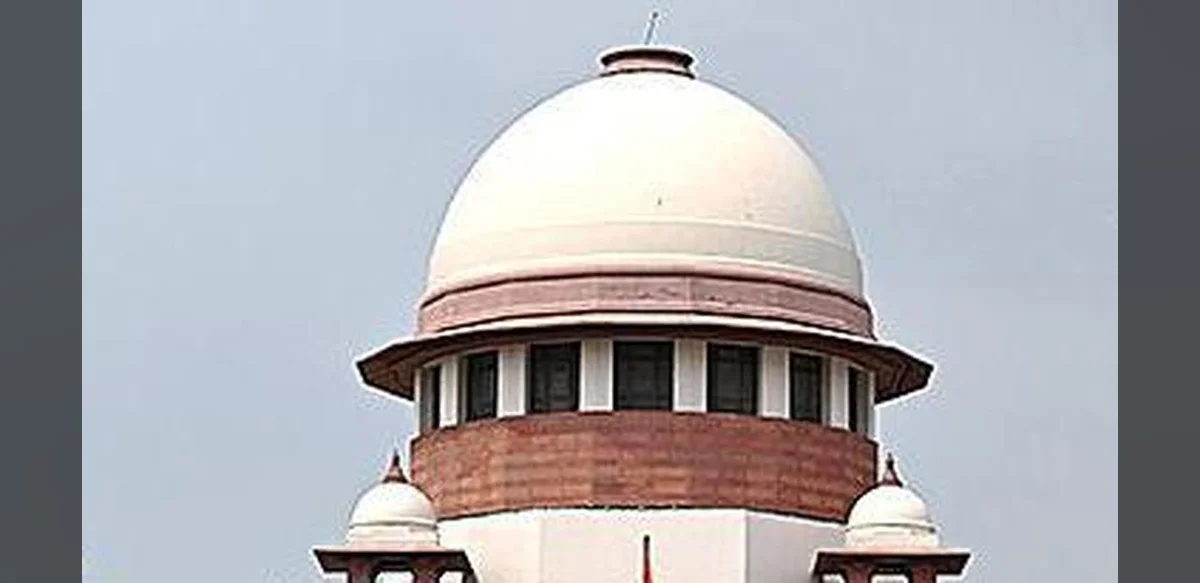
The Supreme Court has delivered a ruling clarifying that the Bar Council of India lacks authority to impose disciplinary measures on law students. The decision addresses concerns raised in a petition regarding official communications from the council. Those communications were described as having an inhibitory impact on students ability to express views and form associations freely.
The petition argued that such letters from the regulatory body created an environment where open discussion among students faced undue restrictions. It emphasized protections under constitutional provisions for speech and assembly. The court examined the scope of the councils powers and concluded they do not extend to penalizing individuals still enrolled in legal education programs.
This outcome underscores the distinction between regulatory oversight of practicing advocates and the academic sphere occupied by students. The ruling prevents overreach by the council into university matters. Legal observers note that the judgment reinforces boundaries established in prior cases involving professional bodies and educational institutions.
The case originated from complaints about specific directives issued by the Bar Council of India to law colleges. Students and faculty expressed apprehension that these directives could limit campus activities and debates on legal topics. The petition sought judicial intervention to safeguard academic freedoms during the formative years of legal training.
In its order the Supreme Court stressed that disciplinary jurisdiction applies primarily to enrolled members of the bar. Law students remain outside this framework until they complete their degrees and gain admission to practice. The decision provides clarity for educational administrators navigating communications from professional regulators.
Reactions from the legal education community have focused on the importance of maintaining open dialogue within law schools. The ruling is expected to influence how similar regulatory bodies interact with student populations across professional courses. It highlights the need for measured approaches when addressing conduct in academic settings.
The judgment also touches on broader themes of institutional limits and individual rights within the Indian legal system. By delineating the councils role the court has contributed to ongoing discussions about regulatory balance. Educational institutions may now review their policies to align with this interpretation of authority.
Further proceedings in related matters could build on this precedent. The decision serves as a reference point for petitions involving other professional councils and their interactions with students. Clarity on jurisdictional boundaries helps reduce ambiguity in enforcement actions.
Overall the Supreme Court ruling promotes a framework where law students can engage in expressive activities without fear of sanctions from bodies meant to regulate practicing professionals. This approach supports the development of critical thinking skills essential for future members of the legal community. The outcome reflects careful consideration of constitutional safeguards alongside statutory mandates.


